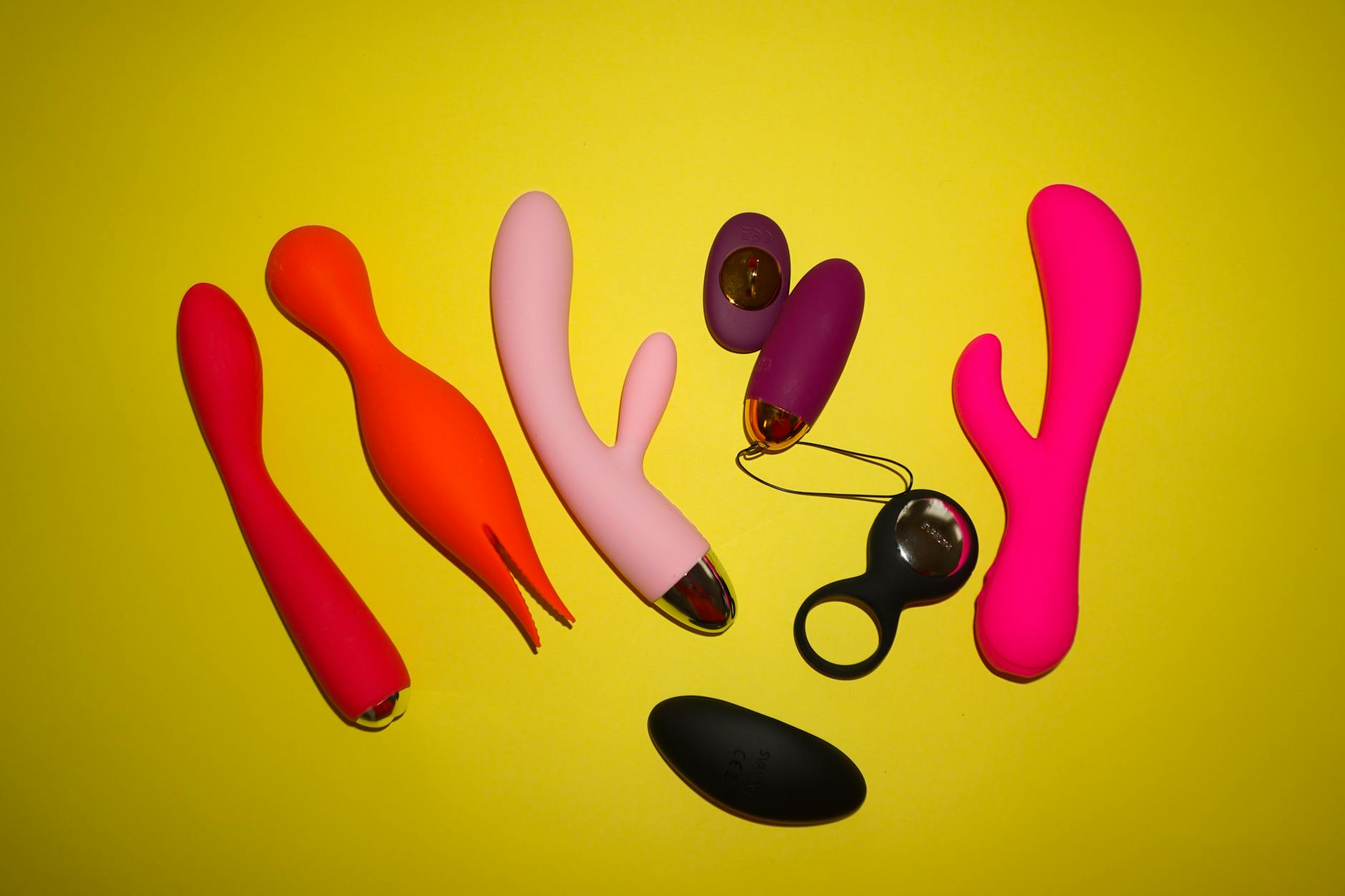
Chronically high cortisol doesn't just make you tired. It literally changes how your nervous system responds to pleasure, which means your lemon clitoral vibrator might feel muted, less intense, or weirdly distant even though the toy itself is exactly the same. This isn't a device problem. It's a nervous system problem. And it's way more common than you'd think.
I work with couples and individuals navigating relationship transitions, life stress, and the physical fallout that comes with it. One of the most consistent patterns I see is someone picking up their vibrator after a high-stress period and feeling nothing. Then they panic. "Am I broken? Did I lose sensation? Why doesn't this feel good anymore?" The answer is almost always: your threat detection system is still active, and it's blocking pleasure.
When you're under sustained stress, your body dumps cortisol and adrenaline into your bloodstream. This is useful if you're running from a predator. It's useless (and actively harmful) if you're dealing with a work deadline or a tense relationship. Your sympathetic nervous system stays switched on, which means blood vessels constrict, sensation dulls, and your brain gets laser-focused on threat instead of pleasure.
Here's the mechanism: arousal requires parasympathetic activation. That's the "rest and digest" state. Pleasure requires relaxation, blood flow, and the capacity to feel vulnerable. Cortisol does the opposite. It triggers vasoconstriction (your blood vessels tighten), reduces blood flow to your genitals, numbs your sensory experience, and floods your brain with cortisol and adrenaline. Your clitoris literally receives less blood when you're stressed, which means it takes longer to swell and become sensitive.
This is why people often describe pleasure under stress as feeling "far away" or "muffled." It's not a metaphor. The neurological signal is actually attenuated.
Think of it like a battery. Your nervous system has a daily budget of activation energy. Work, kids, relationship friction, financial worry, health concerns, social media noise. Each one draws from the same battery. By evening, when you might think about picking up your lemon vibrator, the battery is at 2 percent. Your body isn't refusing pleasure. It's depleted.
Add to that the fact that stress suppresses dopamine and increases cortisol for hours after a stressor ends. Even if you're done with the work meeting or the difficult conversation, your neurobiology is still in cleanup mode. Your pleasure receptors (which rely heavily on dopamine) are working at a fraction of their capacity.
I've had clients tell me that a 20-minute lemon clitoral vibrator session that used to bring them to orgasm in five minutes now leaves them feeling numb and frustrated. They blame the toy. They blame themselves. Almost always, the issue is a cortisol baseline that's too high to permit pleasure.
When cortisol is chronically elevated, several things happen to physical pleasure:
Your clitoris becomes less responsive. The tissue requires adequate blood flow to swell and activate. Stress constricts blood vessels, so the swelling takes longer or doesn't happen as intensely. Using a lemon vibrator might feel like pressing on rubber instead of touching a live nerve.
Your orgasm threshold rises. Orgasm requires a specific neurological threshold to be crossed. Sustained cortisol raises that threshold, which means it takes longer to reach climax, or you might not reach it at all. This isn't laziness or "not trying hard enough." Your nervous system literally needs more input to fire.
Touch feels less distinct. Under stress, your tactile sensitivity dulls. Sensations that usually feel precisely calibrated feel vague or blurry. This is why the vibration pattern on your lemon vibrator might feel less pleasurable even if it's the exact same setting you loved before.
Pleasure feels emotionally distant. You might achieve physical arousal but feel disconnected from it. This is called dissociation, and it's a classic stress response. You can feel your lemon clitoral vibrator working, but the pleasure doesn't integrate into the emotional experience.
You can't think your way out of cortisol. You have to calm your nervous system through your body.
Extend your warm-up window. Instead of five minutes, try 15 or 20. Your parasympathetic system needs time to downshift. Start without the vibrator. Touch yourself slowly, breathe deeply, let your mind settle. Only introduce your lemon vibrator once you feel genuinely relaxed, not just less busy.
Lower your expectations about what "good" feels like. Pleasure under stress looks different. It might feel quieter, softer, slower. That's not a failure. That's adaptation. Stop chasing the "normal" orgasm and explore what pleasure actually feels like right now. That curiosity shifts you from performance mode into sensation mode, which is where parasympathetic activation happens.
Use lower intensity settings. Start with pattern 1 or 2 on your lemon vibrator instead of jumping to your favorite high-intensity setting. Overstimulation when your nervous system is already revved actually reinforces the stress response. Gentler input gives your system permission to settle.
Build in recovery time. Stress relief isn't a 20-minute box to check. It's a practice. Breathwork, walks without your phone, time with a partner, actual rest. When you spend 23 hours a day in sympathetic activation, 20 minutes with a lemon clitoral vibrator can't reset that.
If you have a partner, this is actually a major opportunity. Partnered touch activates the vagus nerve (the main parasympathetic nerve) differently than solo touch does. Starting with non-sexual touch—long hugs, slow hand-holding, skin-to-skin contact—can downshift your nervous system before you introduce a vibrator.
I often recommend partners begin with touch that has zero expectations around pleasure or orgasm. Just presence. Just sensation. Then, when you're actually relaxed, introduce your lemon vibrator as an addition to that calm state, not as a tool to fix the stress.
If you've lowered your intensity, extended your warm-up, and consistently practiced nervous system regulation for four to six weeks and nothing changes, mention it to your doctor. Sometimes dulled sensation is cortisol. Sometimes it's thyroid, estrogen, or medication. Sometimes it's depression, which tanks dopamine and mimics stress response. A good clinician will help you sort it.
Similarly, if the stress itself is coming from a relationship, therapy can be as important as your lemon vibrator. I've worked with couples where one partner's numbness to pleasure was actually a signal that the relationship needed attention. That information is worth hearing.
Here's the encouraging part: your nervous system is adaptable. When you reduce the actual stressors and practice parasympathetic activation consistently, sensation comes back. Usually within three to eight weeks, if you're actively managing stress and not just waiting for it to improve on its own.
Your lemon clitoral vibrator isn't damaged. Your pleasure capacity isn't damaged. Your nervous system just needed permission to come back online. That permission comes from actual rest, from lowering intensity, and from approaching pleasure with curiosity instead of desperation.
Stress triggers your sympathetic nervous system, which constricts blood vessels and reduces blood flow to your clitoris. This physical constriction makes the tissue less swollen and responsive. Simultaneously, cortisol suppresses dopamine, which is essential for pleasure signaling. The combination makes stimulation feel distant or muffled.
No. Cortisol changes your sensitivity temporarily, but it's reversible. Once you reduce chronic stress and let your nervous system downshift, sensation returns. The lemon vibrators you loved before will feel good again once your baseline cortisol comes down.
It varies widely, but most people report noticeable improvement within four to eight weeks of consistent stress reduction. That said, you need to actually reduce stressors and practice relaxation, not just wait for time to pass.
Not necessarily. But shift how you use it. Lower the intensity, extend the warm-up, and approach it as a tool for nervous system exploration rather than a goal-oriented device. The gentler approach often helps reset your parasympathetic response faster.
Similar but different. Both involve dopamine suppression and reduced sensation. But antidepressant numbness usually plateaus and may need a medication adjustment, while stress-induced numbness rebounds more quickly once the stressor is addressed. How to Use a Lemon Vibrator for Better Orgasms When You're on Antidepressants covers medication-specific strategies if that's your situation.
Absolutely. Any sustained, slow, intentional touch activates the parasympathetic nervous system. Partnered massage, self-massage, or even a professional massage can help downshift your cortisol baseline. Once your nervous system is calmer, your lemon vibrator experience will improve.
Ideally, both happen together. You don't need to wait for perfect stress-free status (which doesn't exist). But dedicating even 10 minutes a day to genuine nervous system calming will make your lemon clitoral vibrator sessions much more pleasurable. Breathwork, walks, stretching, time in nature—any of these help.
Stress isn't separate from your sex life. It's deeply woven through it. A lemon vibrator is a wonderful tool for pleasure, but pleasure lives upstream of your nervous system's threat detection. If you're in chronic fight-or-flight mode, no vibrator will feel right. The good news is that you can change this. It starts with actual rest, not the idea of rest. Starts with lowering intensity instead of pushing harder. Starts with being patient with your body's current capacity instead of demanding it return to what it used to do.
Your sensitivity will return. Your pleasure will come back. And when it does, your lemon clitoral vibrator will feel like home again.