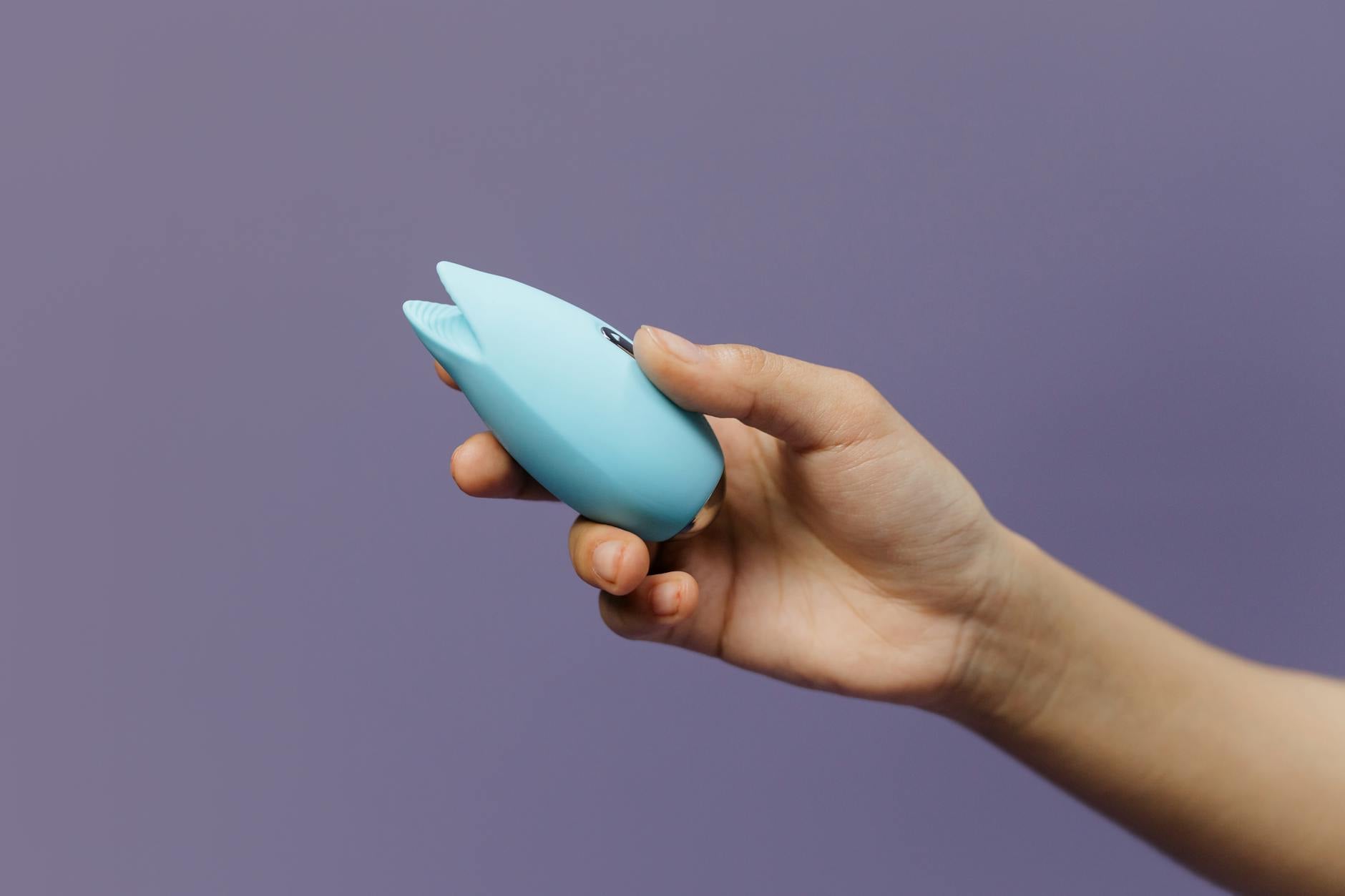
You start an antifungal. Within days, maybe a week, your body feels off in ways that have nothing to do with the infection itself. Your lemon vibrator, which used to feel one way, suddenly feels different. Duller. Numb. Or weirdly intense in spots. You wonder if the toy broke, if you broke, if something's wrong with you.
Antifungal medications work by disrupting the cell membranes of fungal cells. But here's the thing: fungal cells and your own cells share some structural similarities. So while the medication is targeting the infection, it's also creating temporary changes in your healthy tissue.
This affects sensation in three ways. First, the medication dries out mucous membranes more aggressively than everyday hormonal changes do. Second, it can reduce blood flow to the genital area temporarily as your body redirects resources toward fighting the infection. Third, it interferes with the balance of good bacteria that usually help maintain sensation and natural lubrication.
The result: your clitoral vibrator feels muted, or your skin feels hypersensitive, or both in different moments.
Antifungal medication follows a predictable timeline. Week one is the acute phase: your body is actively fighting the infection, tissues are irritated, and yes, pleasure capacity tanks. Most people don't even want to think about their lemon clitoral vibrator right now, and that's fine.
Week two is where it gets weird. The infection is clearing, so the acute irritation has calmed down. But the medication is still in your system, still drying tissues, still disrupting the microbiome. At this exact moment, many people think the infection is gone and they're ready to use their vibrator again. The sensation they encounter is confusing because it's not pain, exactly. It's more like touching something through a thick fabric.
By week three to four, assuming you're finishing a typical course, you're often in the clear. The medication is clearing your system, your microbiome is rebalancing, and sensation normalizes.
Your vaginal microbiome isn't just about infection prevention. It's integral to how your tissues respond to stimulation. The bacteria that live there produce lactic acid, which maintains the pH that allows blood vessels to dilate efficiently. That vasodilation is what allows arousal to build, lubrication to increase, and sensation to sharpen.
Antifungals, especially broad-spectrum ones like fluconazole, wipe out some of the good bacteria along with the bad. It's not permanent. Your microbiome is designed to bounce back. But during the reset period, your body's ability to produce that cascading response to stimulation is dampened.
This is why taking a probiotic specifically formulated for vaginal health (not just any probiotic) can help speed recovery. Look for ones containing Lactobacillus crispatus or Lactobacillus gasseri, which are the strains that actually colonize vaginal tissue.
Lubrication is two-part: the aqueous component (the slippery part) and the mucoid component (the stretchy part). Antifungals hit both. The aqueous component decreases because blood flow to the genital tissues is reduced. The mucoid component decreases because the cells that produce it are temporarily sluggish from the medication.
This matters for your lemon vibrator experience because suction-based toys like the Lem depend on a specific amount of moisture to create the seal. Too little, and the sensation becomes sharp instead of smooth. The suction can feel almost scratchy.
The fix is counterintuitive: add external lubrication. Your instinct might be to wait until your body bounces back naturally. But actually, using a good water-based lubricant during this window helps restore the sensation you're used to. It's not masking the problem. It's creating the conditions your body needs to feel sensation clearly while it's recovering.
Sensation changes during antifungal treatment are normal. Pain, burning, or increased irritation is not. If using your lemon clitoral vibrator causes sharp pain or burning (beyond normal sensitivity), stop and let your skin rest. Contact your doctor. This could indicate an allergic reaction to the medication or a secondary irritation that needs attention.
Also pay attention to timing. If you're two weeks past finishing your antifungal and sensation still hasn't recovered, something else might be going on. This could mean you need a longer course of probiotics, or it could indicate a different underlying issue that the antifungal masked.
Most commonly, though, you're just in the three to seven day recovery window where your body is rebalancing and sensation normalizes on its own.
If you want to continue using a vibrator during your course of medication, here's the framework:
Week one: skip it. Your tissues are fighting, and adding stimulation adds stress. Your body needs to focus on healing.
Week two onward: if you're feeling up to it, use it with abundant water-based lubricant, start on the lowest intensity, and spend extra time on warm-up. Think 20 minutes instead of 10. Your nervous system is healing, not just your tissue.
Always, always wash your vibrator before and after use during this period. Your vaginal microbiome is in flux, and bacterial transfer is easier when tissues are compromised.
After you finish the medication, give yourself another three to five days before assuming your usual sensation is back. It will be. But rushing it sometimes extends the adjustment period.
Here's what I want you to know. Medications that treat infections are doing their job. Yes, they create temporary side effects. But the infection they're clearing was also affecting your pleasure, probably more than you realized. Once the infection clears and your system rebalances, you're often back to baseline pleasure or better.
The people who struggle most during this window are the ones who panic about the sensation changes and stop communicating with themselves about pleasure entirely. You don't have to push through discomfort. But you also don't have to interpret temporary changes as permanent ones.
Your body bounces back. Your lemon vibrator is fine. You're fine. This is a week or two of a temporary shift, not a new baseline.
Most people notice sensation normalizing within three to seven days of finishing their course. The microbiome begins rebalancing immediately, but full recovery of tissue responsiveness typically takes about a week. If you're still experiencing numbness or dulling after two weeks, check with your doctor to rule out other causes like ongoing inflammation or a secondary yeast infection.
Yes, but timing matters. During the first week of treatment, when tissues are acutely inflamed, it's better to skip vibrator use. From week two onward, you can use your vibrator if you want to, but use external water-based lubricant generously and keep intensity low. Always wash your toy before and after use. Listen to your body. If it causes sharp pain or burning, stop.
No. Topical antifungals (creams applied directly) have minimal systemic effect and usually don't cause significant sensation changes beyond local irritation. Oral antifungals like fluconazole and itraconazole have broader effects on tissues and microbiome, so sensation changes are more common. Single-dose treatments like Diflucan tend to create more noticeable shifts than extended courses because the medication concentration is higher.
Completely normal. About 30 percent of people experience hypersensitivity (where stimulation feels too intense or almost painful) instead of numbness. This usually means the nerve endings are inflamed or the tissue is responding to the medication as an irritant. Again, reduce intensity, increase lubrication, and wait it out. If it's severe, call your doctor.
Timing matters. Many doctors recommend waiting until you finish your antifungal course before starting probiotics, because taking them simultaneously can reduce the medication's effectiveness. But check with your prescriber. Once you're done, starting a vaginal probiotic can speed microbiome rebalancing. Look for formulations specifically designed for vaginal health, not just generic digestive probiotics.
No. Once your microbiome rebalances and tissues recover, you return to your baseline. Some people report that they feel better post-treatment because the infection was subtly affecting them for a while before diagnosis. But the medication itself doesn't create lasting changes to sensation or responsiveness. You're temporary, not permanent.
Your lemon clitoral vibrator will feel the way it always did. You will, too. This window is real and manageable. You've got this.
If you're navigating medication changes and their effects on your body and pleasure, you're not alone. The intersection of medications and sexual wellness is complicated, and most doctors don't routinely discuss it. If you have questions specific to your situation, reach out. We're here to help.