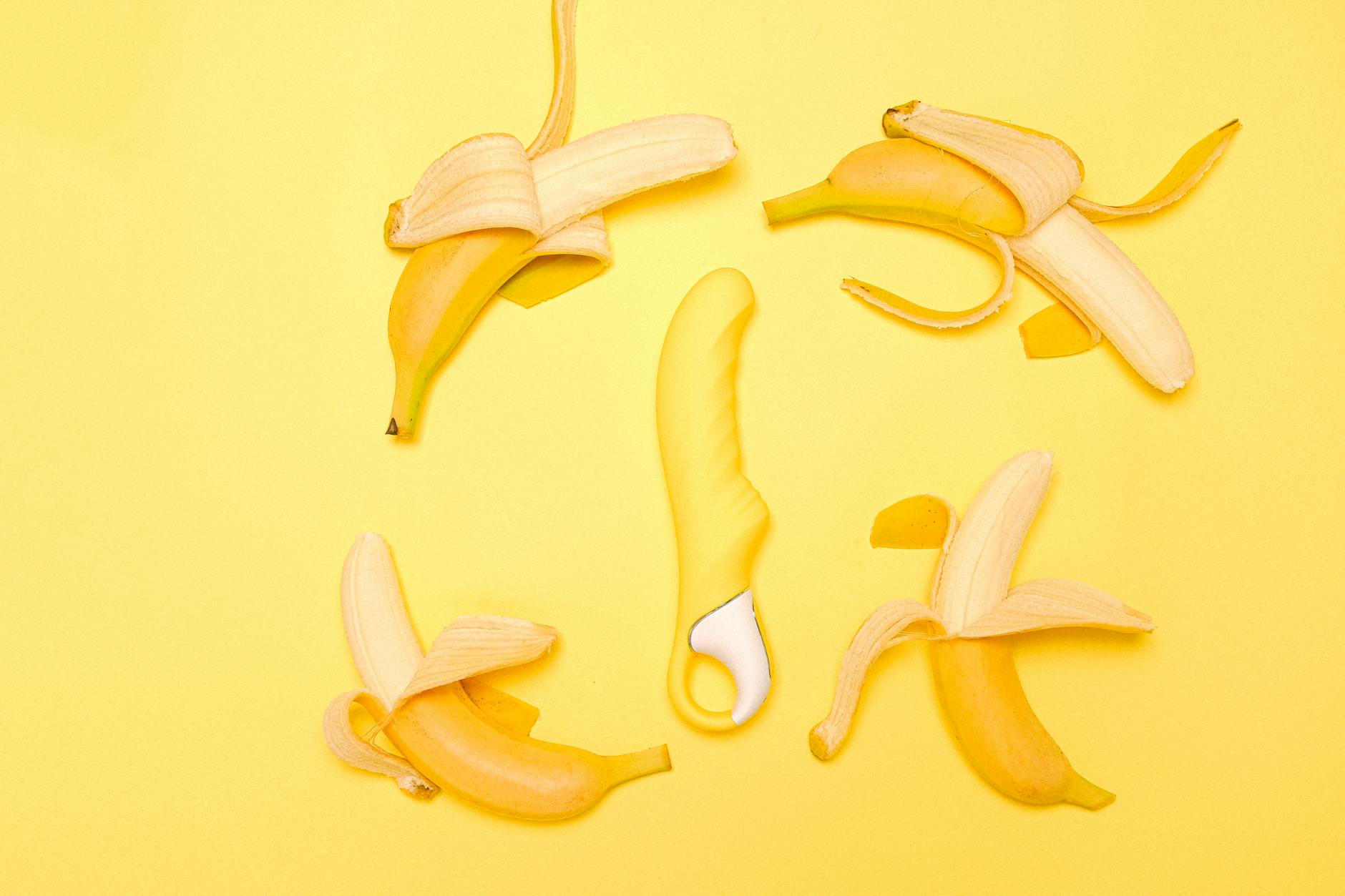
Why Lemon Vibrators Feel Different After Antibiotics or Medication Changes
Your microbiome, pH balance, and nerve sensitivity shift when you take antibiotics. Here's what that means for pleasure with your clitoral vibrator and how to adjust.
You finished a course of antibiotics, and suddenly your lemon vibrator feels... off. Less responsive. Numb after ten minutes instead of building. Or weirdly intense in a way that's almost uncomfortable. You wonder if something's wrong with the toy or with you. The real answer is neither. It's that antibiotics fundamentally rewire your internal chemistry, and that rewiring affects how clitoral stimulation feels.
Here's what's actually happening. Antibiotics don't just kill the bacteria that's making you sick. They obliterate your gut microbiome, which controls everything from hormone metabolism to nerve sensitivity to local pH balance. That shift ripples directly into your sexual response. Add hormonal medications, antifungals, or other common drugs into the mix, and the sensation changes compound.
Let me walk you through the physiology, why it matters, and what to do about it.
Your microbiome is a living ecosystem that does far more than digest food. It metabolizes estrogen, produces neurotransmitters, regulates inflammation, and maintains the pH balance that keeps your vulva and vaginal tissues healthy and responsive.
When you take broad-spectrum antibiotics, you're essentially scorching that ecosystem. The medication doesn't distinguish between pathogenic bacteria and the beneficial ones that live in your gut and on your skin. After a course of antibiotics, your microbiome can take weeks or months to fully recover, and during that recovery period, everything feels different.
What changes, specifically:
pH balance shifts. A healthy vaginal environment is acidic (pH 3.8 to 4.5), which keeps bad bacteria at bay and allows nerves to fire normally. Antibiotics can push pH higher, making tissues feel less sensitive or slightly raw. This is why a lemon clitoral vibrator might feel less responsive.
Estrogen metabolism gets disrupted. Your gut bacteria produce beta-glucuronidase, an enzyme that recycles estrogen. Kill those bacteria, and estrogen circulation drops temporarily. Lower estrogen means thinner tissue, less natural lubrication, and different sensations during stimulation.
Inflammation spikes. Paradoxically, killing your good bacteria can cause inflammation as your microbiome tries to rebalance. Inflamed tissue is either hypersensitive (everything hurts) or sluggish (nothing registers).
Yeast overgrowth happens. Antibiotics wipe out the bacteria that keep yeast in check. Even if you don't develop a full yeast infection, a slight overgrowth can change pH and sensation.
All of this means your clitoral vibrator doesn't feel broken. Your sensation profile just changed temporarily.
The design of a suction-based clitoral vibrator like the lem depends on consistent tissue responsiveness and blood flow to the clitoris. When your microbiome is disrupted, that responsiveness flattens.
Here's the chain reaction: antibiotics reduce estrogen circulation. Lower estrogen means less blood flow to the clitoral area. Less blood flow means the tissue doesn't engorge as easily during arousal. A suction vibrator that normally creates a satisfying seal might feel weak or require more intensity. Alternatively, if inflammation is high, the same vibrator might feel too intense on raw or tender tissue.
The pattern people report most is numbness. You use your vibrator at a normal intensity, and after five to ten minutes, sensation drops off entirely. This isn't desensitization from the toy itself. It's inflammation and swelling blocking nerve signals, plus reduced blood flow making it harder for stimulation to register.
The fix isn't to go harder. It's to support your microbiome while it recovers.
Start a probiotic, but choose carefully. Not all probiotics are equal. Look for one with Lactobacillus crispatus or Lactobacillus gasseri, which specifically colonize the vaginal and gut environment. The generic multi-strain probiotics at the drugstore won't help much. Quality matters more than dose. Take it for at least two weeks after finishing antibiotics, ideally four to six.
Eat fermented foods. Yogurt, kimchi, sauerkraut, miso, and kefir feed your recovering microbiome. You're not trying to replace bacteria with these foods alone, but they create an environment where good bacteria want to grow. Aim for a small portion daily.
Add prebiotic fiber. Garlic, onions, asparagus, bananas, and oats contain inulin and other fibers that feed beneficial bacteria. This accelerates recovery faster than probiotics alone.
Reduce sugar and refined carbs. Yeast feeds on sugar. While your microbiome is compromised, a high-sugar diet will tip the scales toward yeast overgrowth, which prolongs the sensitivity issues.
Wait before reintroducing intensity. Use your lemon vibrator at lower settings (1 or 2) for shorter sessions (5-10 minutes) until sensation normalizes. This isn't forever. It's two to three weeks while your microbiome recovers. Going hard too soon teaches your body to numb out faster as a protection mechanism.
Consider a topical estrogen cream if dryness is severe. If you're experiencing real dryness (not just sensation changes), a compounded estrogen cream or even a basic vaginal moisturizer can bridge the gap. Ask your doctor about estrogen cream. It has minimal systemic absorption and can make a real difference in tissue thickness and responsiveness.
Antibiotics are the most obvious culprit, but other medications also mess with how a clitoral vibrator feels. Antifungal medications (like fluconazole for yeast infections) reset your microbiome just like antibiotics do. Hormonal birth control changes estrogen availability. Antihistamines dry out mucous membranes everywhere, including down there. SSRIs and some antidepressants can numb sensation directly.
If you're on multiple medications, the combined effect compounds. You might not even connect the timing to when you started the new antidepressant or switched birth control brands.
The pattern to watch: Did sensation shift right after starting a new medication? Then that medication is likely involved. Track it. This information is useful for your doctor when deciding whether to switch or adjust dosing.
Most people recover full sensation within three to six weeks of finishing antibiotics, assuming they support their microbiome. If you're four weeks out and still feeling numb or hypersensitive, something else might be going on.
Possibilities:
You have a persistent yeast infection. If you notice itching, cottage-cheese discharge, or burning, you likely need treatment beyond probiotics. See a doctor. A single dose of fluconazole usually clears it, but you need to confirm you actually have it first.
You're deficient in vitamin D or B vitamins. Antibiotics can deplete B vitamins, which affects nerve function. A short course of a good B-complex vitamin can help. Vitamin D supports immune recovery. If you're indoors a lot, consider supplementing.
You have bacterial vaginosis (BV). This is different from yeast. BV happens when bad bacteria overgrow after antibiotics kill the good ones. Symptoms include gray discharge and a fishy smell. It's treatable but requires antibiotics again (usually metronidazole). See a doctor if you suspect BV.
You're stressed, and it's suppressing recovery. Stress hormones suppress the immune system and slow microbiome recovery. If you're in a high-stress period, your body is prioritizing crisis management over rebuilding flora. Give yourself permission to rest and recover, not just medically but emotionally.
You don't need to put your pleasure on pause. You just need to adjust your approach.
Lower intensity, longer warm-up. Start at pattern 1 or 2. Spend 15 to 20 minutes on foreplay before using the vibrator. Your blood flow needs time to ramp up if estrogen is low.
Add lubricant. Water-based only, always. Even if you normally don't need it, use it during microbiome recovery. It compensates for reduced natural lubrication and prevents the friction that makes raw tissue worse.
Shorter sessions. Five to ten minutes instead of your usual twenty. Stop before numbness sets in. This trains your nervous system that stimulation is safe and feels good, rather than overwhelming.
Rotate your toy. If suction isn't working well right now, switch to a different vibrator for a week or two. A wand vibrator or a simple vibrating toy uses different stimulation patterns and might feel better during recovery.
Once your microbiome is back, you'll notice a shift. Sensation returns. The toy feels responsive again. You'll get there.
Most people notice improvement within two to three weeks and full recovery by six weeks, assuming they support microbiome recovery. The timeline depends on which antibiotic you took (broad-spectrum ones do more damage), how long you took it, and whether you're taking probiotics and eating microbiome-friendly foods. If you're doing nothing to support recovery, it can take three months or longer. Active recovery cuts that timeline significantly.
No. The changes are temporary. Your microbiome will recover, and sensation will normalize. However, if you take antibiotics repeatedly without supporting recovery between courses, you train your microbiome to stay imbalanced. If you're someone who takes antibiotics frequently, prioritize microbiome support every single time to avoid chronic sensitivity issues.
Yes, it's safe. Antibiotics don't make the vibrator dangerous to use. But you might notice sensation feels different even while you're still taking the medication. This is normal. Your microbiome starts changing immediately, not after you finish the course. If sensation feels numb or too intense, lower the intensity and use more lubricant. The vibrator isn't the problem.
Not necessarily. Three weeks is still within normal recovery time. But if you're at six weeks with no improvement, or if you notice other symptoms like itching, discharge, or burning, contact your doctor. You might have BV or a yeast infection that needs specific treatment.
Probiotics help, but they're not magic. The most effective approach is probiotics plus dietary changes. Eat fermented foods, add prebiotic fiber, reduce sugar, and give it time. Some people also find that a high-dose B-complex and vitamin D help, especially if they're deficient. Talk to your doctor about what makes sense for your situation.
Long-term antibiotics seriously damage microbiome balance and sexual sensation. If this is your situation, talk to your doctor about whether a different antibiotic class or a lower dose is possible. In the meantime, be aggressive about microbiome support. Take a high-quality probiotic daily. Eat probiotic and prebiotic foods every day. Consider asking about rotating which antibiotic you use, since different classes hit the microbiome differently. Your sexual health matters as much as your infection management.
When sensation shifts after antibiotics, it feels like something's wrong with you or your vibrator. It's neither. It's chemistry catching up. Your microbiome is rebuilding. Your hormone metabolism is recalibrating. Your tissues are finding their new normal. This is temporary. Support the process with probiotics, food, and patience, and you'll come out the other side with full sensation restored.
In the meantime, your lemon clitoral vibrator is still there. Your capacity for pleasure is still there. You're just in a different season, and that season has an expiration date. Give yourself grace during recovery. Your pleasure deserves it.