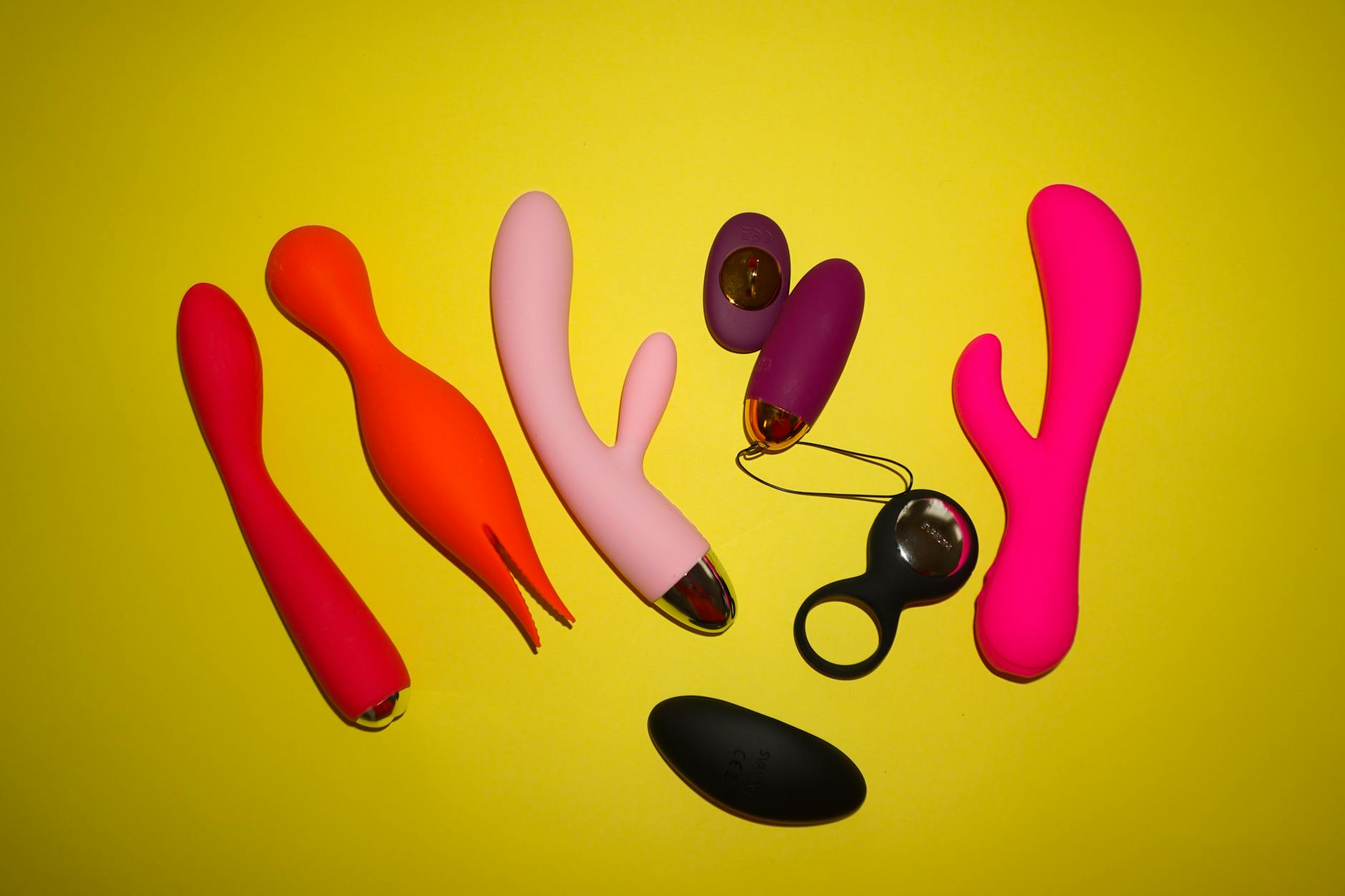
You started an SSRI. Your mood stabilized, your anxiety quieted, and then you noticed something unexpected: sensation changed. Your lemon clitoral vibrator doesn't feel like it used to. Orgasms are harder to reach or feel flatter when they arrive. Arousal takes forever. Your partner asks if you're still attracted to them, and you have to explain that this isn't about them. It's chemistry.
This isn't a side effect that will go away on its own. It also isn't permanent. What it is, though, is real and fixable once you understand what's actually happening in your nervous system.
SSRIs work by increasing serotonin in your brain. That's the neurotransmitter that regulates mood, anxiety, and a bunch of other things. But here's what rarely gets explained: serotonin and dopamine have an inverse relationship when it comes to arousal and orgasm.
Dopamine is what lights you up. It's the anticipation, the desire, the "I want this right now" feeling. It's also critical for orgasm intensity. When you flood your system with extra serotonin, dopamine activity can dip. You're calmer, less anxious, more stable. You're also less inclined to feel that sharp edge of desire.
Then there's the practical part: SSRIs delay orgasm in about 40 to 60 percent of people who take them. This happens because serotonin influences the neuromuscular coordination required for orgasm. Your body literally needs more input, more time, more stimulation to cross that threshold.
Neither of these things means you've lost the capacity for pleasure. It means the pathway changed.
If you've been using a lemon clitoral vibrator before starting SSRIs, you know exactly what intensity and pattern used to work. You'd hit that setting and feel immediate, sharp sensation. Now you're at the same setting and feeling... less. Duller. More distant.
This is because dopamine activity is also tied to nerve sensitivity and tactile perception. With lower dopamine signaling, your nervous system isn't lighting up quite as efficiently in response to that same mechanical input. You're not numb. Your nerves aren't broken. The signal is just quieter.
The second issue is arousal itself. Sensation feels better when you're already aroused. Your tissues swell, blood flows to your genitals, your clitoris becomes more sensitive. SSRIs slow down the arousal ramp. You might not be physically engorged when you start, which means the vibration feels like more work and less pleasure.
Most people's instinct is to go harder or faster. They crank the lemon sucker to maximum intensity, which can actually feel worse because you're now chasing sensation instead of building it.
Four things I recommend to almost everyone navigating SSRI and pleasure:
1. Extend your warm-up window by 50 percent. If you used to spend 10 minutes building arousal, aim for 15 to 20 now. This isn't failure. It's your nervous system asking for a longer runway. Use this time for fantasy, reading, watching something that lands for you, or just letting your partner touch you without rushing to stimulation.
2. Start lower, not higher. Resist the urge to jump straight to intensity level 5 on your lemon vibrator. Begin at level 1 or 2. The goal isn't to blast through numbness. It's to let your nervous system gradually wake up to sensation. You'll often find that after 10 minutes at a lower setting, you can feel level 3 or 4 much more acutely than you could at level 5 after 30 seconds.
3. Add external stimulation. A partner's touch, a second toy, or even just switching positions changes which nerves are firing. Your clitoris isn't the only erogenous zone, even though lemon clitoral vibrators focus there. Incorporating texture, temperature, or pressure elsewhere in your body can amplify what you feel at your center.
4. Track your timing. Some people find that using a lemon vibrator at a different time of day changes everything. Morning might feel numb, but evening, after food and movement, feels more alive. Others notice that three days into their medication cycle feels different than day one. You're not looking for perfection. You're looking for conditions where sensation shows up.
Here's something your prescriber might not mention: the time of day you take your SSRI can affect when pleasure feels accessible.
Most SSRIs reach peak levels in your bloodstream 4 to 8 hours after you take them. If you take your dose in the morning, afternoon and evening might feel flatter. If you take it at night, morning might feel sharper. Some people find that intentionally scheduling intimacy or solo exploration for the window when the medication is lowest gives them better access to sensation.
Talk to your doctor before changing when you take your medication, but asking about this timing question is completely reasonable. You're not looking to sabotage your mental health. You're looking to understand your own patterns.
Here's where it gets complicated. Starting an SSRI often comes with its own head story: relief that you're finally getting help, grief that you need help, frustration that your body feels different, worry that your partner will leave, shame that you're "broken" now.
All of that affects sensation too. Anxiety literally dampens arousal. Worry narrows your attention. Shame makes you tense.
So part of reclaiming pleasure with your lemon vibrator involves separating the physical from the psychological. Your body isn't broken. Your medication isn't betraying you. You're in a transition period, and transition periods ask for gentleness and patience.
If you're in a relationship, this is also the moment to talk directly. Not "I feel numb and it's depressing," but "My nervous system is adjusting to medication. I need more time and lower intensity right now. That doesn't change how I feel about you." Most partners respond with relief when the conversation shifts from feeling rejected to understanding physiology.
One pattern I see often: people assume their SSRI will settle after a few weeks and sensation will return to baseline. Sometimes it does. Often it doesn't. Your body can adjust to the medication over 8 to 12 weeks, and sensation sometimes returns partially. But if it doesn't, that's not a sign to panic or switch medications. It's a sign to adapt your approach.
For some people, a slight dose adjustment helps. For others, switching to a different SSRI in the same class changes the side effect profile. And for many, the adjustments above are all that's needed. Lower intensity, longer foreplay, patience, and tools designed for sensation work just fine.
Your pleasure matters. Your mental health also matters. The goal isn't to choose between them. It's to honor both.
Maybe. For some people, the body adapts after 8 to 12 weeks and sensation improves. For others, it stays different. The good news: different doesn't mean gone. Working with your lemon clitoral vibrator using longer warm-ups and lower intensities often creates just as much satisfaction. You're not chasing baseline. You're building a new normal that works.
That's a conversation for your prescriber, not me. Some SSRIs have lower sexual side effects than others. Bupropion and mirtazapine, for example, are sometimes chosen specifically because they don't dampen arousal as much. But switching comes with its own adjustment period. If sensation is the only side effect and your mood is stable, your doctor might suggest staying put. If it's severely impacting your quality of life, the conversation is worth having.
No. Using a clitoral vibrator isn't creating the problem or making it worse. In fact, regular use of your lemon sucker can help you stay attuned to sensation, which sometimes means your nervous system adjusts faster to the new baseline. Don't avoid pleasure thinking you're protecting yourself. Gentle, patient exploration usually helps.
There's no rule. Some people find that trying at all adds pressure, which makes sensation harder. Others find that the longer they wait and explore, the easier it eventually becomes. Start with the goal of sensation, not orgasm. When you stop chasing the finish line, it often shows up anyway.
Yes, both can shift arousal and sensation. Alcohol often relaxes you initially, which can help sensation, but too much dulls everything. Caffeine can increase anxiety, which tightens your body and makes stimulation feel less pleasant. If you're struggling, it's worth noticing whether you have a drink or coffee before trying your lemon clitoral vibrator and adjusting from there.
Yes. Not because you're broken or something's wrong, but because you're asking for something different. "I'm adjusting to medication. I need more time and gentleness right now" is information your partner needs. It prevents them from feeling rejected and lets them support you instead of worry.
SSRIs change pleasure because they change how your nervous system processes dopamine and arousal. That's not a reason to stop taking them. It's a reason to adjust how you approach sensation. Your lemon vibrator still works. You just might need to work with it differently now.
This is temporary adjustment, not permanent loss. And for most people, once they understand what's happening, they find their way back to satisfaction.
If sensation isn't improving after three months, or if the SSRI side effects feel like they're outweighing the mental health benefits, reach out to your prescriber. You have options. You deserve both mental health support and a pleasure life that feels good.
Have questions about navigating this transition? Get in touch. I'm here to help.