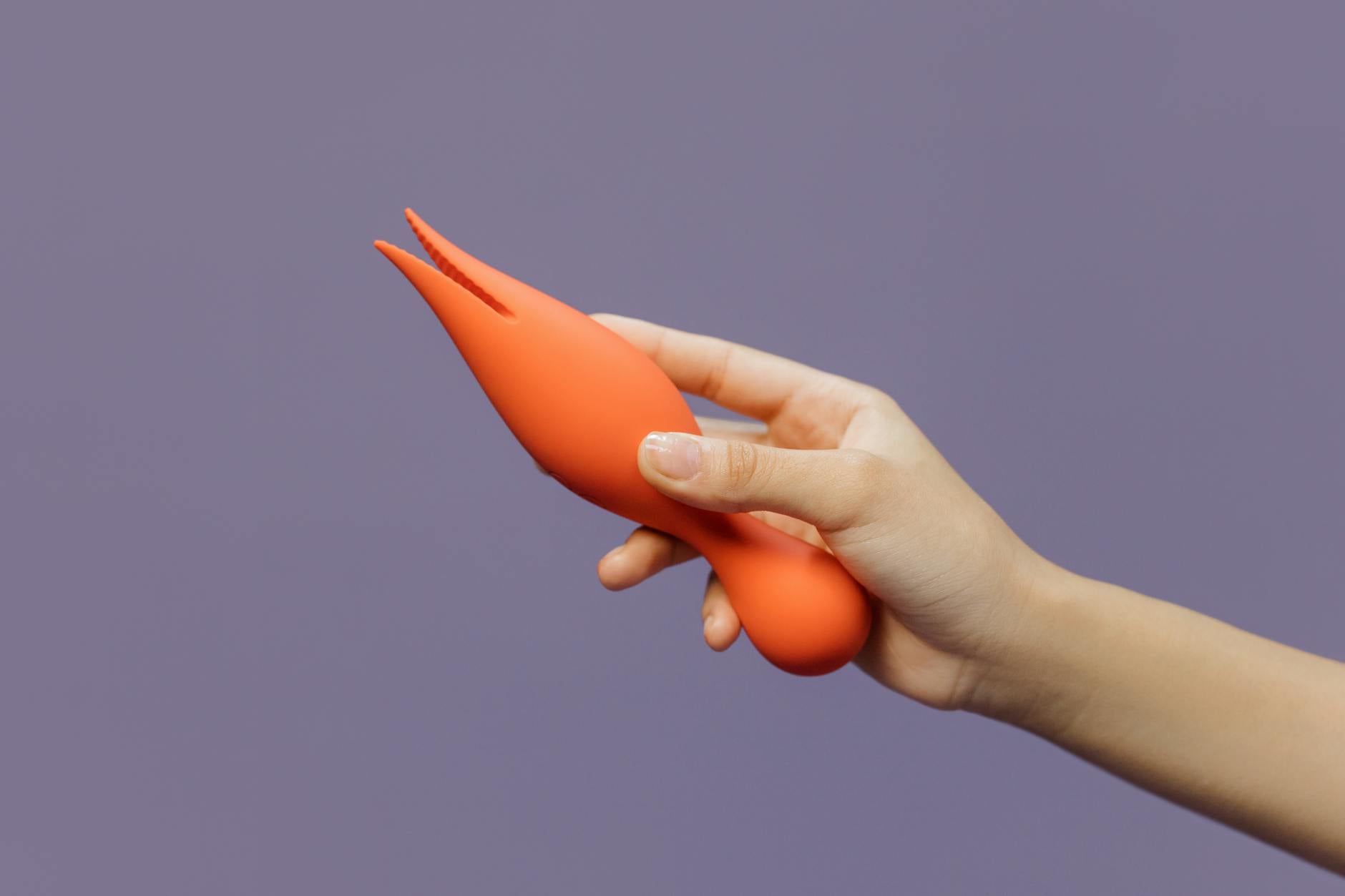
Antidepressants save lives. They also, for many people, change how pleasure feels. Not in the way the drug companies quietly list in the fine print. Not in some vague "decreased libido" way that makes you wonder if you're imagining it. The actual changes are specific, measurable, and totally fixable once you understand what's happening.
If you're taking an SSRI (selective serotonin reuptake inhibitor) like sertraline, fluoxetine, or paroxetine, you already know this. Your body responds differently now. Arousal takes longer. Orgasms feel muted or distant. Your lemon clitoral vibrator, which used to work fast and reliably, now feels less intense, or the sensations feel numb after a few minutes. None of this means the medication is wrong for you. It means you need to adjust your approach.
Here's the neurobiology in plain terms. SSRIs work by increasing serotonin in your brain. Serotonin is fantastic for mood stability, anxiety, and depression. But serotonin also dampens dopamine and norepinephrine, the neurotransmitters that drive arousal, desire, and the urgency of physical response.
The result: your body is biochemically slower to turn on. You might feel desire, but the physical cascade doesn't happen as fast. Blood flow takes longer to reach the genitals. Genital sensation feels duller. Your clitoris is still capable of orgasm, but the neural pathway there gets quieter.
This is not psychological. You're not losing interest. Your brain chemistry literally changed in a way that delays arousal and mutes sensation.
You CAN still orgasm. This matters because some people on SSRIs are told their orgasms are "gone forever." They're not. They're just harder to access.
Your capacity for pleasure hasn't disappeared. Your nerve endings still work. Your clitoris still has thousands of nerve endings. What's changed is the speed and intensity of the signal traveling up to your brain.
Your desire might feel softer. Many people describe SSRI-related desire as less urgent, less intrusive, less of a constant background hum. Some people love this. Some mourn it. Both responses are valid.
Orgasms take longer and feel different. Instead of a sharp, building peak, many people describe them as more of a plateau. Flatter. Less intense. Some people say it takes 20-30 minutes to reach orgasm on an SSRI versus 5-10 before. Others say they can't reach it at all at first, then adapt.
Most vibrators work through direct oscillation. They buzz against tissue, and your body has to transmit that sensation up through increasingly dampened neural pathways. On SSRIs, this can feel like trying to hear someone whispering from across the room.
Air-suction devices like a lemon clitoral vibrator work differently. Instead of vibration, they use gentle suction to draw blood into the clitoris, creating a broad, enveloping sensation that doesn't require you to feel subtle vibration patterns. The stimulation is more about the mechanical effect on tissue than the vibrational frequency your dulled nerves have to interpret.
In practice, this means the Lem often works better on SSRIs than a traditional vibrator would. The suction creates arousal, builds engorgement, and doesn't rely on your muted sensation to feel effective. You're literally changing the mechanism of stimulation to match your current neurobiology.
First, budget more time. If you had 10 minutes before, plan for 20-30 now. This isn't failure. This is working with your body's actual timeline. Many people say that once they stop fighting the slower pace, it becomes genuinely enjoyable in a different way.
Second, start with broad, sustained stimulation rather than fast patterns. If you're using a lemon vibrator, begin at the lowest setting or use suction alone before turning on vibration. Let blood flow in. Let arousal build. Then increase intensity. Rushing defeats the purpose.
Third, consider adding external stimulation. SSRIs often reduce sensation on the genitals themselves, but sensation elsewhere stays normal. Many people find that combining clitoral work with stimulation to breasts, inner thighs, or neck speeds arousal significantly.
Fourth, talk to your doctor about timing. Some SSRIs take 4-6 weeks to fully suppress sexual response. Some people find that taking their dose at night rather than morning shifts when the medication peaks in their system, leaving more responsive windows. This is an actual conversation worth having, not a workaround to hide.
Here's the thing: some SSRIs cause worse sexual side effects than others. Paroxetine and fluoxetine are notorious. Sertraline and escitalopram tend to be gentler. If you're on one of the heavier hitters and sexual response has become genuinely distressing, switching isn't giving up. It's matching the medication to your actual life.
Your psychiatrist or GP needs to know if sexual side effects are real enough to affect your quality of life. They have options. Lower doses. Different SSRIs. Augmentation strategies (adding something like bupropion or buspirone to counteract the sexual dampening). These conversations happen quietly all the time in good medical practice.
But here's also what I tell people: if the SSRI is working for your mood and anxiety, and you're willing to adapt your sexual routine, the sexual side effects often become manageable. It's not the sex you had before. It's different. Not worse. Different.
If you have a partner, they need to understand this is a medication effect, not a rejection. It's not that you're less attracted to them. It's that your brain's arousal system got chemically adjusted. Many relationships survive SSRIs just fine once both people know what's actually happening.
The trickiest part: your partner might feel slower or feel like they're doing something wrong if arousal takes longer or orgasms change. Naming it directly helps. "My medication is slowing down how fast I get aroused, and I'm learning to work with that" is a completely different conversation than silence that starts to feel like "you're not turning me on anymore."
If you're on an SSRI and sexual response has completely flatlined, don't wait more than 6-8 weeks to talk to your prescriber. Sometimes adjustment happens naturally. Sometimes it doesn't. There's no prize for suffering.
If you're noticing other changes (pain, no sensation at all, significant mood dips), those warrant a conversation too. Sexual side effects are real, but they're not inevitable or permanent.
And if you want to explore options like trying a different medication class or adjusting your current one, you deserve a doctor who takes that seriously.
I've worked with dozens of people navigating SSRIs and sexuality. What I've seen consistently: the people who get the most satisfied are the ones who stopped waiting for their bodies to "go back to normal" and instead learned how their bodies work now. A lemon clitoral vibrator, adjusted timing, patience, and sometimes a conversation with your doctor. That's usually enough.
Your medication is keeping you stable. Your pleasure matters too. Both can be true.