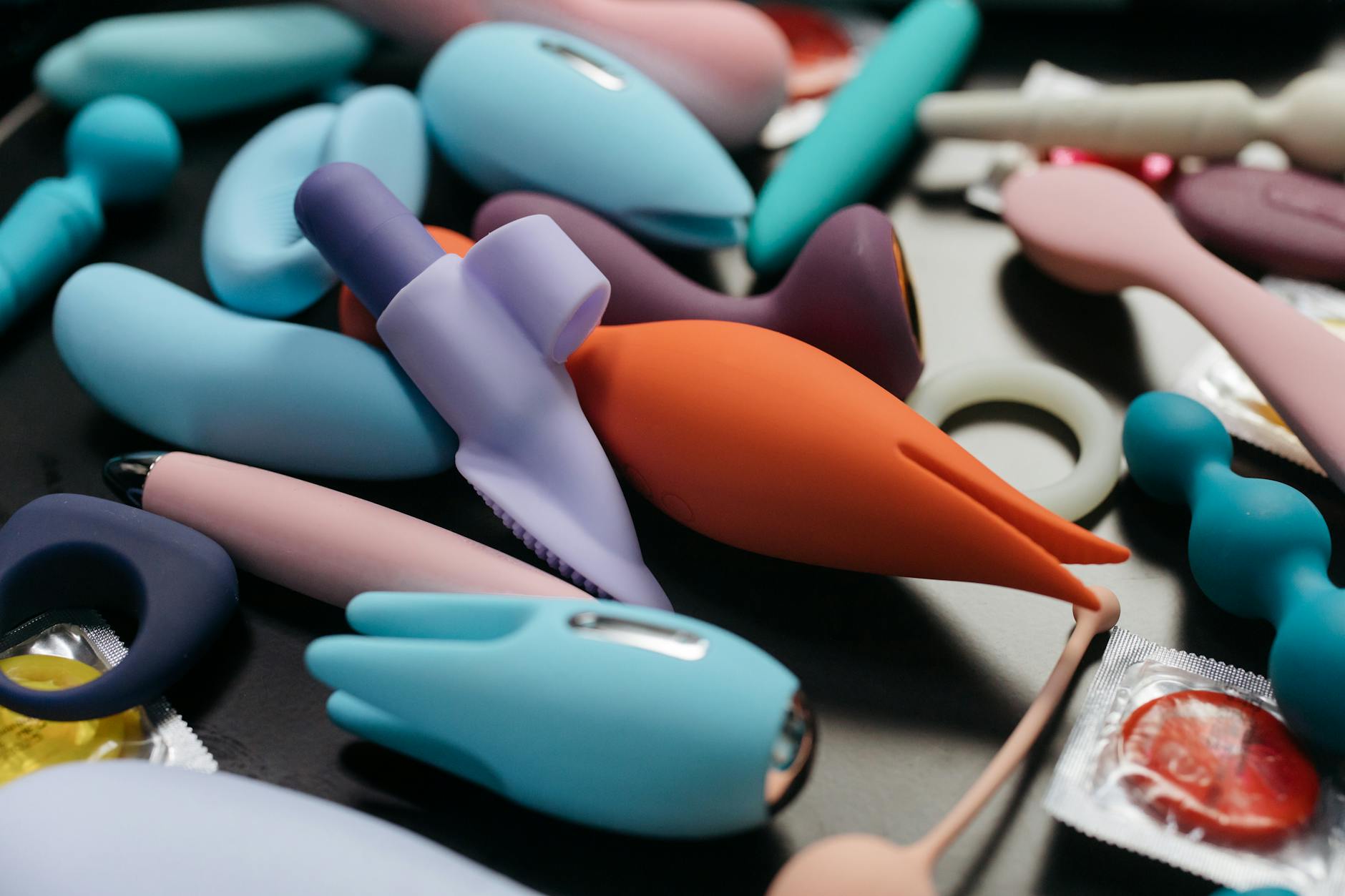
You've thought about bringing a lemon vibrator into your sex life. Maybe you've researched them. Maybe you even know exactly which one you want. And then the moment passes because the conversation feels too big, too weird, too risky. So nothing changes. The thought stays in your head.
Here's what I see in my practice: couples skip this talk not because they're uncomfortable with pleasure, but because they're afraid it means something. That it signals dissatisfaction. That it'll hurt their partner's feelings. That they're somehow admitting the sex isn't "enough."
None of that is true. But those fears are real, and they deserve a real plan.
Most relationship books tell you to "have an open conversation" or "choose the right moment." That's not advice. That's a vague instruction that leaves you frozen. You need specifics. When does right moment actually happen? What does the first sentence sound like? What if they say no?
I work with couples on these conversations weekly. The ones that go well have three things in common: they're grounded in data, not apology; they happen outside the bedroom; and they reframe vibrators as "us" tools, not "you" fixes.
Here's a stat that shifts the energy entirely: studies consistently show that couples who use clitoral vibrators together report higher satisfaction with their overall sex life and greater relationship satisfaction too. It's not controversial. It's ordinary.
Lead with that, not emotion. Instead of "I want to try something new because I'm bored," it's "Research shows couples who explore tools together report more connection. I think that's us."
Data removes the sting. Your partner stops hearing "you're not enough" and starts hearing "we could optimize this together."
Not during sex. Not right after. Not when you're stressed about work.
Best timing: somewhere neutral, outside the bedroom, when you both have mental space. A walk. A car ride. Over coffee on a Sunday morning. The key is that the setting itself says "this is just information," not "I have a complaint."
Avoid:
Right before sex (it feels like pressure)
During sex (it derails the moment)
After rejection or a fight (it reads as weaponizing)
When either of you is tired, stressed, or distracted
Good example: "Hey, I read something interesting about lemon vibrators and couples. I want to run it by you when you have a minute. Not urgent. Just something I thought we could explore together."
Notice the tone. Conversational, not heavy. You're proposing an idea, not issuing a demand.
This is where most people lose it. They frame vibrators as a solution ("Your orgasms are too slow"), which sounds like criticism. Instead, frame them as an expansion. An addition. A tool for both of you.
Comparable things: you're not getting a couples therapist because your relationship is broken. You're getting one because you want to deepen it. Same logic applies here.
Better framing: "I've been thinking about how we could increase sensation and pleasure for both of us. I read that lemon vibrators work really well for this because they're designed for clitoral suction, which is different from what we're doing now. I'm curious if you'd be interested in trying one together."
Notice you're talking about sensation, pleasure, and "together." You're not saying "your body isn't working right" or "I need something else." You're saying "I want to expand what we already have."
Response: "No. You know how sometimes you take a new route to a place you've been a hundred times? It doesn't mean the old route was wrong. This is that. I want more pleasure with you, specifically."
"Won't it replace me?"
Response: "It replaces nothing. It's designed to work alongside what we do. Most couples use them together. It's actually a way to increase how much we're connecting." (If they're still nervous, you can explore that more, but this response addresses the fear directly.)
"Isn't that kind of weird?"
Response: "A lot of couples use them. It's weird until you realize how normal it actually is. And honestly, the research on pleasure and couples satisfaction is solid. This isn't fringe." You're normalizing it with data.
"Can I try one on you too?"
Response: "If you want to. You might find it feels good. A lot of people do. But this is mainly for you because the clitoral suction works differently than other stimulation." You're opening the door without making it about him.
If they're curious or open, don't pivot immediately to buying. Say something like: "Let's sit with this for a week. Read some reviews together if you want. No pressure. Just let it settle."
This prevents it from feeling rushed. Giving people space to process changes the energy from "we're doing this now" to "we're exploring this together."
If they say no, don't argue. Say: "That's fair. I appreciate you being honest. We don't have to do this." Then actually don't bring it up again for at least a month. Sometimes partners need time. Sometimes they need to see you're not upset. And sometimes they circle back on their own after they've thought about it.
Once they're open to it, the next conversation is about logistics. What do you both want from this? Are you looking to increase the intensity of your orgasm? Explore new sensations together? Get there faster? The reason matters because it shapes what you buy.
A lemon vibrator like the Lem works particularly well because it's designed for couples. It's not intimidating. It doesn't look clinical. The suction mechanism is completely different from a standard vibrator, so it feels genuinely new to most people. That newness is actually an asset here because you're both discovering it, not one person introducing the other to something they've been secretly using.
If you're stuck between options, the buying guide at Hello Nancy walks you through the differences in a way that's useful for couples deciding together.
Don't just surprise them with one. That defeats the whole point of building trust through communication. Instead, when it arrives, have a low-key moment: "It's here. Want to explore it together, or do you need more time?"
Let them decide the pace. If they're nervous, start by just looking at it together. No pressure to use it immediately. Sometimes just demystifying the object removes the weirdness.
When you do use it, the first time matters. Keep it simple. Foreplay is already happening. Introduce it casually. Pay attention to their response. If they like it, great. If they don't, that's information too. Not every tool works for every body, and that's fine.
This conversation isn't really about a vibrator. It's about whether you can talk about what you want. Whether you can propose ideas without fear. Whether your partner believes you when you say you're satisfied with them and just want to explore more.
Couples who navigate this successfully are couples who know how to have vulnerable conversations about pleasure, desire, and change. That skill applies everywhere. It's not a small thing.
Your desire to bring more sensation and pleasure into your shared sex life isn't selfish. It's generous. You're saying, "I want us to feel good together." Just frame it that way, and the conversation becomes a lot easier.
That's coming from a specific narrative about what sex should be. It's worth exploring that belief separately from the vibrator conversation. Ask: "What would make this feel like cheating to you?" Often it's about intimacy or connection, not the tool itself. Once you understand the actual concern, you can address it. Sometimes it's "I worry you won't want me anymore," which requires reassurance. Sometimes it's "I think sex should be natural," which requires a different conversation about what tools mean.
Yes, but you'll want to build a little runway first. Start by talking about pleasure in general. Ask what feels good. Ask what they'd like to try more of. Create a pattern of sexual communication before introducing specific tools. It'll feel less random then.
That happens. They might have said yes to make you happy, or they might have gotten nervous about the reality of it. Don't push. Let it sit for a few months, then gently revisit: "I noticed we haven't used the Lem. Is there something that's making you hesitant?" Listen. It might be practical (position issues, timing) or emotional (still nervous about how it changes things). Either way, understanding it helps.
You can flip this entire framework. "I've been curious about trying something, but I'm a little nervous. Would you be open to exploring this with me?" Admit the nervousness. Most partners will meet you with reassurance, not judgment. Vulnerability here actually builds trust.
Same answer: support their pleasure. Your job isn't to use it. Your job is to be present while they explore their body. That's intimate too. You can be curious about what they enjoy, ask questions, learn what works for them. That's connection.
If you're questioning the relationship, introducing new tools probably isn't the priority. Get clarity on the relationship itself first. Tools can enhance an already-good dynamic. They won't fix a broken one.