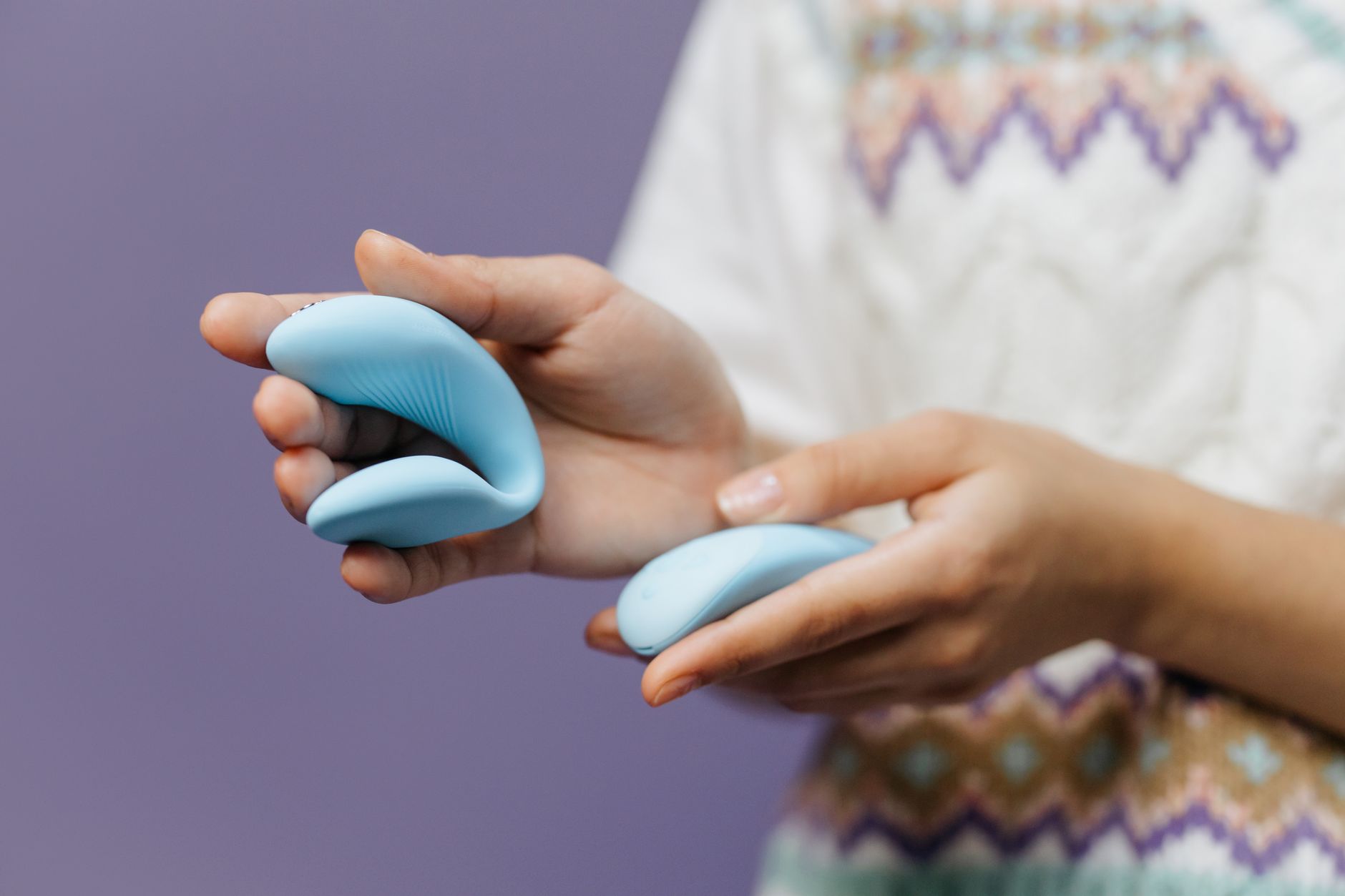
How to Use Lemon Vibrators for Better Orgasms When You Have Vaginismus
Vaginismus makes penetration feel impossible, but clitoral pleasure works differently. Here's how lemon vibrators help you access orgasm without triggering pain.
Vaginismus is involuntary tension in the pelvic floor muscles that makes penetration painful or impossible. It's not a choice, not "all in your head," and not something that goes away with willpower. Your body is literally protecting itself.
Here's what most people don't realize: vaginismus has nothing to do with your ability to experience clitoral pleasure. You can have an orgasm that feels incredible while your vagina remains completely guarded. The two are separate neurological pathways.
When you have vaginismus, penetration triggers a fear response. Your nervous system has learned that penetration equals pain, so it clamps down. Lemon vibrators bypass this entirely because they stimulate the clitoris, which is outside the vaginal opening.
The clitoris has about 8,000 nerve endings and zero connection to the penetration-fear cycle. When you use a lemon clitoral vibrator, you're working with a completely separate pleasure system. That means you can build arousal, reach orgasm, and train your nervous system that pleasure is safe, all without triggering the vaginismus response.
Second, the suction-based stimulation of lemon vibrators feels profoundly different from anything that mimics penetration. It's pulsing rather than thrusting, which means there's no subconscious echo of the thing your body is trying to protect against. Many people with vaginismus find that air-suction devices feel safer and less triggering than traditional vibrators.
If you have vaginismus, the foundation is working alone. This removes the performance pressure and lets you explore at your own pace without anyone else's timing or expectations.
Start by using your lemon vibrator on the lowest setting, somewhere comfortable and private where you won't be interrupted. Your goal is not orgasm. Your goal is curiosity. Notice what the suction feels like. Notice if it reminds you of anything. Notice where your breath goes.
Some people with vaginismus have learned to hold their breath during any sexual activity because they're bracing for pain. If you notice yourself doing this, slow down. Breathe into your belly. This isn't a race.
After 2-3 solo sessions, you'll start to notice patterns. Maybe patterns 2 and 4 on the lemon vibrator feel good, but pattern 3 feels too intense. Maybe you need 20 minutes of warm-up before you're ready. Maybe you need to think about something specific or listen to a particular kind of music. Document these things. You're building an instruction manual for your own pleasure.
When you have vaginismus, arousal becomes even more important than it is for anyone else. Without arousal, the pelvic floor is locked. With arousal, it has a chance to relax.
This is why quickie sessions won't work for you. Your nervous system needs time to downregulate and realize that pleasure is happening without threat. Aim for 20-30 minutes of dedicated time, even if you don't reach orgasm.
Use lemon vibrators as part of a longer ritual. Light a candle. Put your phone in another room. Read something that turns you on, or listen to an audio story. Let your arousal build gradually. The vibrator is the anchor point, but it's not the only ingredient.
This is the part that requires the most honesty. If you have a partner, they need to understand three things. First, vaginismus is not about them. It's not a reflection of desire or attraction. Second, clitoral pleasure is real pleasure. An orgasm from a lemon vibrator is not a consolation prize. Third, partnered pleasure might look different than they expected, and that's okay.
Start by using your lemon vibrator together without any pressure for penetration or additional sexual activity. Your partner can hold you, kiss your neck, whisper encouragement. They can watch. They can use their hands elsewhere. The point is that you're building positive associations between intimacy and pleasure, not between intimacy and pain.
When you're comfortable, your partner can use a lemon vibrator on you. This is different from you using it on yourself because you're surrendering control slightly, which can feel vulnerable. Go slow. Guide their hand. Tell them what feels good. If at any moment it stops feeling good, say so immediately. Your nervous system is learning that it's safe to speak up, and that you'll be heard.
Vaginismus sometimes shows up on its own, but often it's connected to a history of sexual trauma, painful medical procedures, or deep anxiety about sex. If that's your situation, a vibrator alone isn't the full answer. Therapy, especially somatic therapy or trauma-informed sex therapy, changes the nervous system's response.
But here's what lemon vibrators do in that context: they let you reclaim pleasure as your own. They give you proof that your body can feel good. When you're working with a trauma-informed therapist and also using a tool that generates reliable pleasure, you're sending your nervous system two messages at once. Pain is not inevitable. Pleasure is possible. Over time, those messages reshape how you respond to intimacy.
Vaginismus comes with frustration, grief, and sometimes shame. You might feel broken. You might worry that you'll never have penetrative sex. You might feel guilty because your partner wants something your body won't allow.
None of that is your fault. Your pelvic floor is doing exactly what it's been trained to do. The good news is that nervous systems can be retrained, and lemon vibrators are part of that retrain. Every time you have an orgasm without pain, without triggering the protective response, you're literally rewiring your nervous system's associations with pleasure.
Give yourself permission to move slowly. Give yourself permission to prioritize your comfort over anyone else's timeline. Give yourself permission to enjoy pleasure that isn't penetrative. This is not settling. This is honoring what your body actually needs.
Vaginismus responds really well to pelvic floor physical therapy. A pelvic floor therapist can teach you how to recognize and release tension that you might not even know you're holding. Combined with a lemon vibrator for pleasure work and a therapist for the emotional pieces, you have a comprehensive approach.
You don't need to wait until vaginismus is "fixed" to use a vibrator. In fact, using one is part of the fixing. But if you've been working on this alone for several months and nothing has shifted, professional support speeds things up significantly.
Vaginismus isn't something you force your way through. It's something you gradually, gently convince your nervous system it's safe to move past. Lemon vibrators are one of the gentlest, most direct ways to do that because they give your body the experience of pleasure without the triggering element.
Your clitoris doesn't know about vaginismus. It just knows pleasure. Build from that. Use your lemon vibrator not as a substitute for something you can't have, but as a legitimate, powerful source of satisfaction. Because it is. An orgasm from clitoral stimulation is complete. It counts. It matters.
Absolutely. Vaginismus only affects the vaginal muscles. Your clitoris works completely independently, and lemon clitoral vibrators are designed to stimulate nerves, not stretch tissue. Many people with vaginismus report their most reliable orgasms come from clitoral stimulation specifically because there's no pain or fear involved.
No. If anything, it helps. Every time you experience pleasure without pain, you're teaching your nervous system that sexual touch doesn't have to hurt. This gradually retrains the protective response that creates the tension in the first place.
It depends on your starting point. Some people feel comfortable within a few sessions. Others need weeks or months. The timeline isn't important. What matters is that you're building positive associations without pressure. If it takes three months of exploration before you reach orgasm, that's not slow. That's exactly right for you.
Yes. Communication about vaginismus and what you're exploring matters because your partner might assume the vibrator is a substitute for them or a sign that something is wrong. Instead, frame it as a tool that helps you experience pleasure, which ultimately benefits both of you. You're not fixing yourself alone. You're building capacity for pleasure together.
Vaginismus responds very well to treatment. Many people move from complete inability to have penetrative sex to fully comfortable penetration. But "cure" might not be the right word. It's more accurate to say that your nervous system learns that penetration is safe, and the protective tension releases. That learning is usually permanent, but it requires consistent work.
That's useful information, not failure. It means either the setting was too intense, the timing wasn't right, or something in the experience triggered a memory. Pause, breathe, and try again another day at a lower setting. Your body isn't broken. It's just communicating that it needs something different.
Vaginismus is real, and it's not your fault. But it doesn't have to stop you from experiencing pleasure. Lemon vibrators give you a direct, safe path to orgasm that bypasses the pain entirely. Use them to build evidence in your own body that pleasure is possible. Use them to reclaim your sexuality. Use them because you deserve to feel good.
If you're working through vaginismus and want guidance on your next steps, reach out. We're here to help.