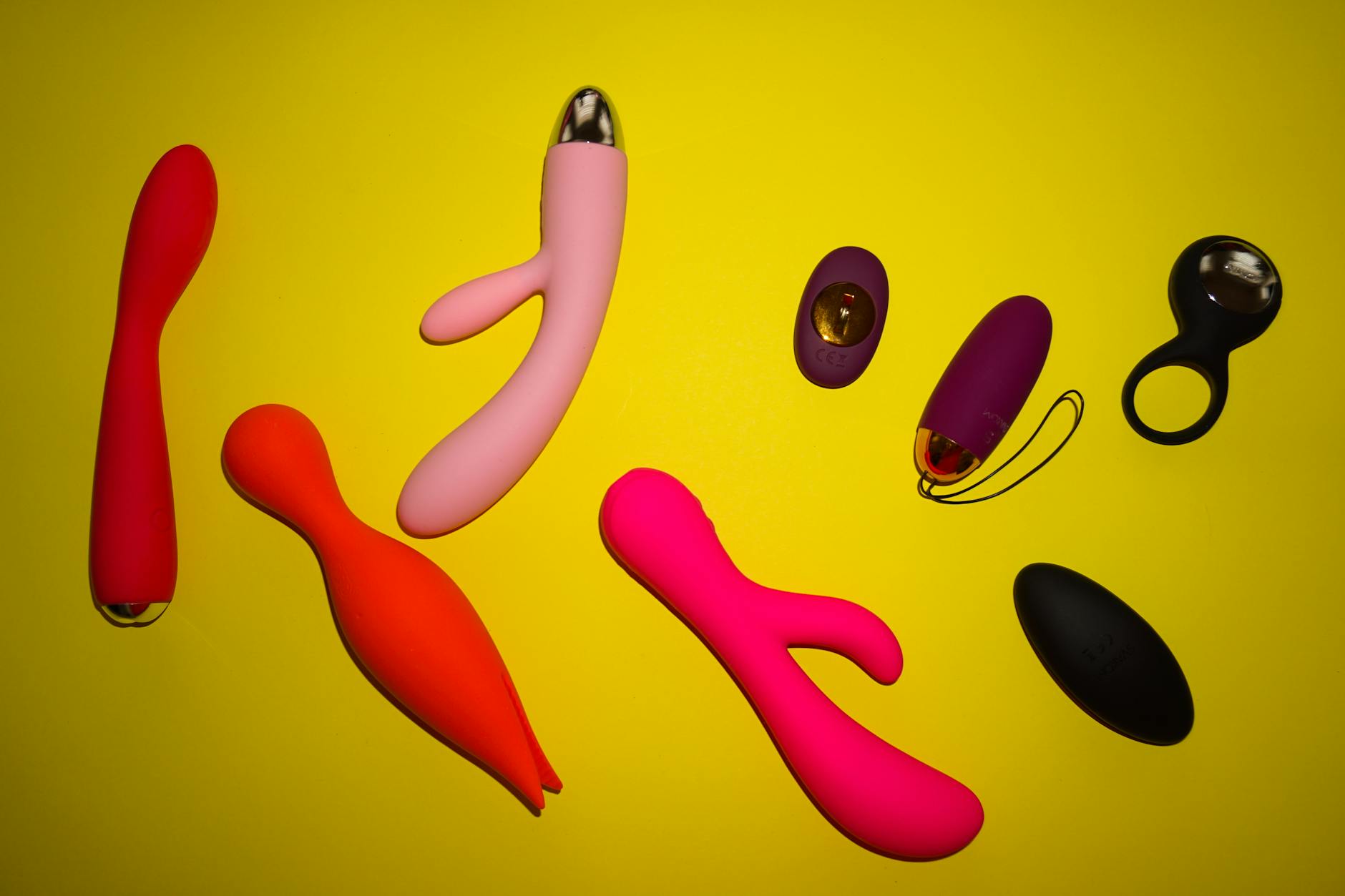
Your partner doesn't want a vibrator in the bedroom. Not because they hate pleasure. Usually it's because they're hearing one of three things underneath the suggestion: "You're not enough," "I'm bored with you," or "I don't trust you anymore." None of those are true. But until you separate the tool from the fear, the conversation stays stuck.
Here's what I know from years of working with couples: introducing a lemon vibrator when trust is already fragile feels threatening. When it's not, it feels like play. The difference isn't the toy. It's the story you tell about why you want it.
Resistance rarely has anything to do with the vibrator itself. Let me break down what's actually happening beneath the surface.
The performance anxiety angle. Many partners internalize vibrators as proof they're failing. "If she needs this, I'm doing something wrong." This is tied to a pretty fundamental insecurity: belief that a good partner should be able to create pleasure without equipment. It's a myth, but it runs deep.
The loss of control feeling. Penetrative sex has a built-in narrative structure. Someone leads. Someone receives. When a vibrator enters, that script gets rewritten mid-scene. Some partners experience that rewriting as losing something. They want to know: where do I fit now?
The switching sides of identity. For some people, introducing toys feels like their partner is wanting something "different" from them. Not something additional. Different. As though the person they've been intimate with is evolving into someone they no longer recognize.
The broader relationship stress. Sometimes resistance to a vibrator is really resistance to something else entirely. A conflict that hasn't been resolved. Distance that hasn't been named. Resentment that's been sitting there for months. The vibrator is just the thing that makes it visible.
Don't bring this up mid-argument, post-rejection, or when you're already frustrated about your sex life. That's fighting with a loaded weapon. Pick a moment when you're both calm, connected, and not already in conflict mode.
Honestly, the best setup is a moment where you're actually feeling good about the relationship. That counterintuitive timing works because you're not framing this as "we need to fix something broken." You're framing it as "I want to expand something that's already working."
The opener matters. Don't lead with the vibrator. Lead with curiosity about them.
"I've been thinking about us lately, and I realized I don't know everything that feels good for you. I want to explore that more. There are some things I've been curious about, and I'd love to know if you've been curious about anything too."
Notice what's happening here. You're not announcing. You're inviting. You're making it about both of you, not about what you need or what you're missing.
If your partner says "I feel like I'm not enough," don't dismiss it. Name it.
"I can see why it might feel that way, and that makes sense. But here's what's true: there's nothing about you I want to change. I'm curious about what else might feel good for us both. That's not about replacing anything. It's about adding to what we already have."
The key word there is "us." Not you. Not me. Us. Frame this as exploration you're doing together, not something you're doing to them or because of them.
If they say "I don't want a toy involved, that's weird," that's resistance to novelty. Address it head-on.
"I get it. New things feel weird at first. But so did a lot of things that feel normal now. What specifically about it feels weird to you?"
Listen to the actual answer, not the version you expected. Maybe it's the noise. Maybe it's the smell of silicone. Maybe it's that they've never seen anyone use one before. All of those are addressable. The vibrator itself isn't the barrier. The unfamiliarity is.
If they're worried about losing their role, clarify it. "I want you to be part of this. I want us to use it together. You're not being replaced. You're being invited in."
Here's the move that shifts everything. Don't ask permission to use it solo first and then introduce it to them. Ask them to help you figure out how to use it.
This isn't manipulation. It's actually a smarter way to introduce the idea. You're not saying "I want this." You're saying "I'm curious about this, and I want your input."
Maybe that means they watch while you explore it. Maybe it means they hold it while you guide their hand. Maybe it means they use it on you. The pathway doesn't matter. What matters is that they're not on the outside looking in. They're involved from the start.
The first time you use a lemon vibrator with a hesitant partner, keep it simple. Not performance. Not choreographed. Just: "I want to try this. I'd like you here. We can stop whenever." That removes pressure from both of you.
Something shifts once a partner actually experiences using a vibrator together. The theoretical threat dissolves. They realize: I'm still here. I'm still touching. I'm still involved. The vibrator isn't replacing me. It's enhancing what we're already doing.
Many partners become interested once they understand that a clitoral vibrator like the Lem doesn't require them to do less. It allows them to do something different. Some people use it during foreplay. Some people use it during penetration. Some people use it for solo pleasure while a partner watches or touches them elsewhere.
There are a dozen ways to integrate this that don't remotely resemble the threat they were imagining.
If it goes well, great. If your partner is still hesitant afterward, you're in a different conversation now. It's not about the vibrator. It's about whether they're willing to be curious about your pleasure, even when it looks different from what they expected.
That's a real relationship question. Not a toy question. If your partner is willing to expand but just needs time, that's workable. If your partner is refusing to even consider your pleasure outside a very narrow frame, that's information you need to sit with.
Sometimes resistance softens when people understand that pleasure is individual. What works for them won't work for you. What brings you closer might not look like what they imagined. And that's okay.
Once the initial hesitation has passed, the real work is keeping communication open. Don't assume a yes once means yes forever. Check in. "Does this still feel good for you? Would you change anything?"
Some couples find that exploring toys together actually deepens their connection because it requires vulnerability from both sides. Your partner has to sit with some insecurity. You have to risk rejection. You both have to be honest about what you actually want instead of what you think you should want.
That's intimacy. The vibrator is just the vehicle.
Believe them. Pushiness on this one backfires every single time. If they say yes but with resistance written all over their face, pump the brakes. The conversation you need is "I'm noticing hesitation. Can we talk about that?" not "Let's just do it anyway." Consent isn't just a yes. It's an enthusiastic yes. There's a difference, and partners can feel it.
Both are true. Frame it as truth: "This is something I'm curious about, and I want to explore it with you." You're not pretending you want it for their sake. You're also not making it about lack in the relationship. You're making it about expansion. Those two things can coexist.
That information matters. Shut-down responses usually mean one of three things: you didn't create enough safety beforehand, there's something else going on in the relationship that needs attention first, or they genuinely aren't interested right now. Those are different problems. The first is about how you approach it. The second is about the relationship. The third is about accepting their boundary. Figure out which one yours is before you try again.
Wait until something has shifted. If you tried yesterday and they said no, don't try today. Wait until a genuine connection moment happens. Wait until there's been some quality time together. Wait until you're not carrying resentment about the rejection. Then bring it up differently, with more information, or from a different angle. The second conversation doesn't look like a rerun of the first.
The discomfort. Full stop. "I notice this doesn't feel right. Let's pause." Don't power through discomfort hoping it will turn into comfort. It won't. You'll just be building negative associations. Pause, talk about what felt off, and come back to it differently next time. Or don't come back to it. Sometimes the exploration just reveals that this particular tool isn't right for your partnership.
No. But sometimes it opens a conversation that needed to happen anyway. If your relationship is healthy and you both want to explore, a vibrator can add texture to what's already there. If your relationship is struggling, a vibrator will just make the struggle more visible. Fix the relationship first. Explore the tools second.
Introducing a lemon vibrator to a resistant partner is mostly about translation. You have to translate what you want (more pleasure, more exploration, more honesty about what feels good) into language that doesn't trigger their deepest relationship fears. It takes patience. It takes honesty. It takes real conversation, not just a conversation about the toy.
But here's what usually happens once you get through that: couples who explore this together actually come out with something stronger on the other side. Not because the vibrator fixes anything. Because they've learned to talk about pleasure without shame, to stay curious about each other, and to build intimacy that includes both safety and adventure.
That's worth the uncomfortable conversation. Start there.