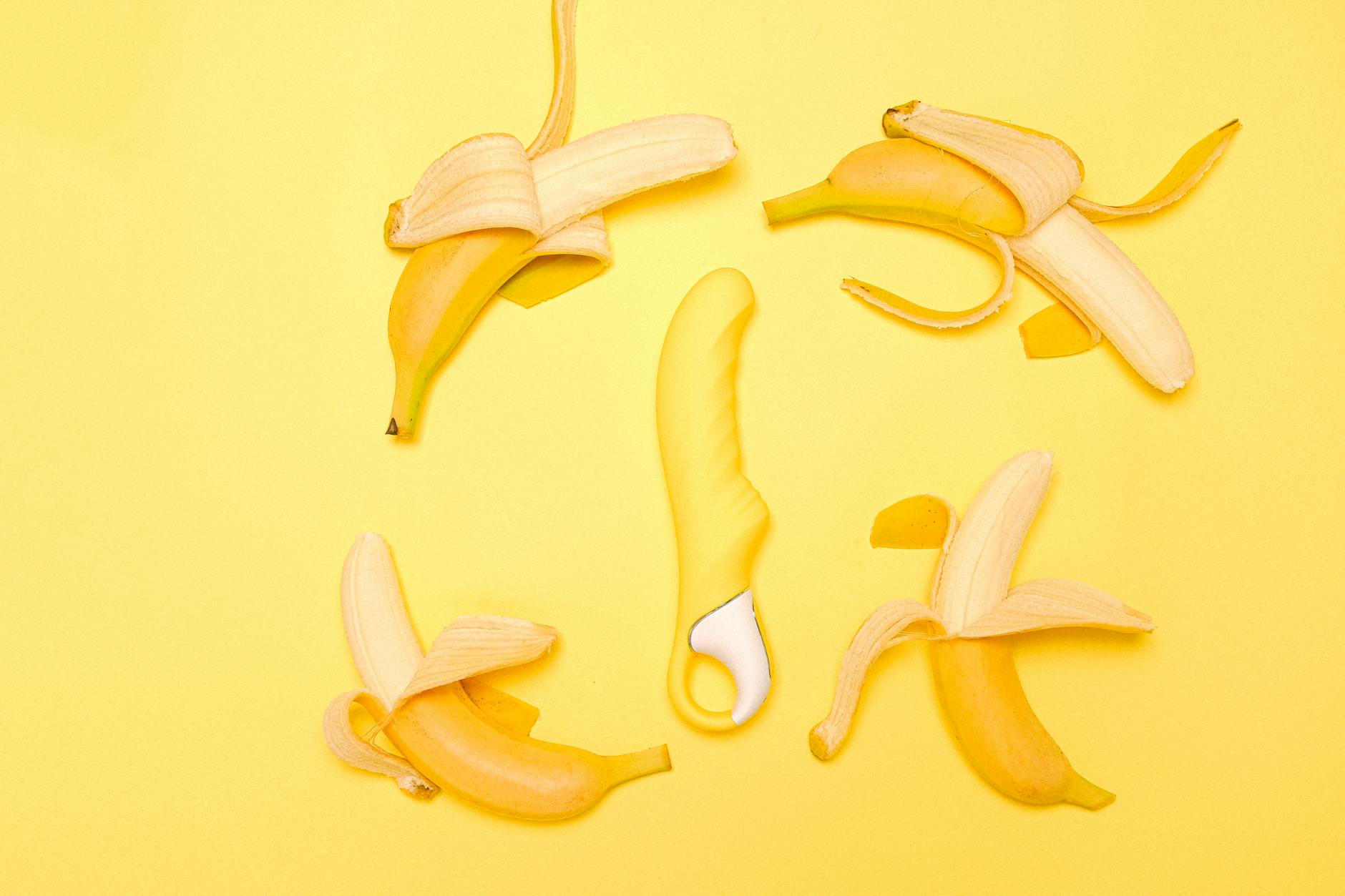
How to Use a Lemon Vibrator When Anxiety Won't Let You Focus
That voice in your head won't stop narrating your grocery list. Here's how to quiet it enough to actually feel something with a lemon clitoral vibrator.
Your brain is trying to help. It's scanning for threats, running through tomorrow's meeting, reminding you about the text you didn't answer. That's the anxiety doing its job, except its job is interrupting your pleasure. You're touching yourself, maybe using your lemon vibrator, and half your attention is somewhere in your phone or your to-do list. The sensation is there. But you're not really there.
This isn't a you problem. It's wildly common, especially for people who live with low-grade anxiety or racing thoughts. The good news: you can retrain your brain to drop in. It takes practice, but it's not some mystical spiritual thing. It's neurobiology and breath.
When you're anxious, your nervous system is in sympathetic mode. That's the fight-or-flight setting. Your body is ready to run or defend, not to relax and feel. Meanwhile, pleasure requires parasympathetic activation—the rest-and-digest mode where blood flows to your extremities, sensation sharpens, and your brain gets quiet enough to process what's happening.
Anxiety floods your brain with cortisol and adrenaline. Those chemicals tell your body to constrict, not open. So you can be physically stimulated—even with a lemon clitoral vibrator that feels incredible—and still feel disconnected from it because your nervous system is stuck in alert mode.
The irony is that trying harder to focus usually makes it worse. Pushing yourself to "feel more" or "stop thinking" becomes another task your brain adds to the pile. Instead, you need to deliberately switch your nervous system out of threat mode.
Don't reach for the lemon sucker while you're scattered. Spend 5 minutes preparing your system first.
Step one: The 5-4-3-2-1 body scan. Lie down or sit somewhere comfortable. Name five things you can see, four you can touch, three you can hear, two you can smell, one you can taste. This isn't filler—it's literally anchoring your brain in the present moment instead of future catastrophe. It works because you're giving your racing thoughts a job that keeps them in real time.
Step two: Box breathing. Inhale for four counts, hold for four, exhale for four, hold for four. Repeat this five times. This isn't meditation mumbo-jumbo. Box breathing directly activates your parasympathetic nervous system. Your vagus nerve responds to extended exhales, and this pattern is literally calming your physiology.
Step three: Settle into permission. Tell yourself, "I'm allowed to feel good. I don't have to earn this. My body doesn't have to perform." Anxiety often wraps itself up in performance pressure—you should be coming, you should be enjoying this more, you should be more present. Release that. You're here to explore sensation, full stop.
Now you're ready to touch yourself. But the anxiety will probably creep back in about halfway through. Here's what works.
Start with patterns, not intensity. The Lem and other lemon clitoral vibrators have different patterns. Instead of jumping to max intensity, start with pattern one and actually focus on the feeling. This forces your attention—your brain has to track the rhythm. Patterns naturally grab cognitive bandwidth that would otherwise be hijacked by worry.
Use sensation anchoring. This is grounding on steroids. As you're using your lemon vibrator, name what you're actually feeling out loud or in your head, like narration. "The vibration is steady. It's warm. The pressure is building in my left side. My thighs are tensing." You're describing sensation in real time, which forces your brain to stay in your body instead of drifting to your email.
Breathe with the rhythm. Match your breathing to the vibrator's pattern if it's not too fast. Inhale for a few pulses, exhale for a few pulses. This keeps your nervous system engaged and your body anchored to what you're doing. It's almost meditative, but way more fun.
Expect interruptions. Keep going anyway. Your brain will throw in random thoughts. That's not failure. That's what anxious brains do. Notice the thought—"oh, there's that thing I forgot to pay"—and return to sensation. "Back to the feeling of the vibrator." That's the whole practice: noticing you've drifted and coming back. Repeat 500 times. It gets easier.
Anxiety often pairs with tension in your pelvic floor. You can be holding that area tight without realizing it. This makes sensation duller, which makes your brain wander more because there's less input to anchor to.
Using water-based lubricant isn't just about comfort with lemon adult toys—it's about reducing friction that requires bracing. When you're not fighting your body's resistance, there's more room for your nervous system to relax. Same reason a slow warm-up matters. Rushing jumps you straight to intensity before your parasympathetic system has time to engage.
Budget 20-30 minutes, not five. Let your arousal build slowly. Slower activation actually helps your nervous system transition out of anxiety mode because it's not being shocked into pleasure. It's being invited.
If you're with someone, shared presence can either help or hurt. If your partner is also racing with their own anxiety about performance or timing, their energy becomes another stressor in the room. But if they're genuinely present—maybe just holding you while you use your lemon vibrator, or stroking your arm, or doing box breathing with you—their regulated nervous system can actually help regulate yours.
The key is no pressure. No "are you close?" or "does this feel good?" Just presence. If you want to talk afterward about what helped or didn't, great. During, silence is often best.
Staying present gets easier with practice. Your brain learns that pleasure is actually safe, and it stops flooding you with threat signals. You're essentially retraining your nervous system to recognize that opening and vulnerability are okay.
Know that some days will be scattered and some days will be crystal clear. That's fine. Even a scattered session where you practiced grounding techniques is rewiring your nervous system a little bit. You're not wasting time. You're building the skill.
If you've worked through a bunch of trauma or your anxiety is severe, talking to a therapist alongside this practice matters. Pleasure shouldn't hurt, and if reconnecting with your body keeps feeling impossible, professional support helps.
Disassociation is a common anxiety response. When your nervous system feels unsafe, it disconnects you from your body as a protection mechanism. This gets worse if you're stressed during the day—your system stays in alert mode even when it should shift down. The grounding exercises above help, but know that rebuilding that mind-body connection takes time. You're not broken. You're learning a new skill.
Yes, but not as a magic fix. The specific sensation patterns of a lemon sucker or lemon clitoral vibrator give your anxious brain something concrete to track. It's harder to worry about work when your nervous system is processing a complex vibration pattern. That said, the vibrator is a tool. The real work is the nervous system recalibration through breathing and grounding.
Completely normal when anxiety is active. Numbness or disconnection is your nervous system's way of protecting you. It doesn't mean the vibrator doesn't work or your body is broken. It means your parasympathetic nervous system isn't fully engaged yet. The solution is patience and consistent grounding practice, not finding a stronger toy.
Probably not in the moment. If you're in acute panic, pleasure isn't available. Your system is too activated. Get through the panic with grounding techniques, regulated breathing, maybe talking to someone. Once you're calmer, then using your lemon vibrator with intention might help remind your body that safety exists. But forcing pleasure during panic just adds frustration.
Weeks to months, depending on the severity of your anxiety and how consistently you practice. Some people notice a shift in focus after a few sessions. Others take longer. The key is showing up regularly, not judging yourself for scattered sessions, and understanding that you're rewiring neural pathways. That doesn't happen overnight.
Yes. Most medications don't interfere with sensation or the ability to reach orgasm, though some do have sexual side effects. If you notice changes after starting medication, check in with your doctor. You may need a dose adjustment or a different medication. Some anti-anxiety meds actually help with pleasure by lowering the baseline noise in your system.
Presence isn't about emptying your mind or reaching some blissed-out state. It's about returning your attention to what's happening right now, over and over. It's a practice, not a destination. Using your lemon clitoral vibrator while working through anxiety isn't indulgent—it's actively rewiring your nervous system to recognize that pleasure, presence, and safety can coexist.
Your racing thoughts aren't a barrier to pleasure. They're the terrain you're learning to navigate. Every time you notice your brain has drifted and you return your attention to sensation, you're winning. You're teaching your nervous system that it's safe to drop in, to feel, to stay with yourself.
Start with the grounding techniques. Practice box breathing before you touch yourself. Use patterns to keep your attention. Come back to sensation every time your mind wanders. Do that consistently, and you'll find yourself capable of a kind of presence—and pleasure—that anxiety never allowed before.
If you feel stuck after weeks of practice, talking to a professional can help. Reach out to Hello Nancy or connect with a sex-positive therapist who understands the intersection of anxiety and pleasure. You don't have to figure this out alone.