Your nervous system has two main settings: sympathetic (fight-or-flight) and parasympathetic (rest-and-digest). Arousal lives in the parasympathetic zone. Anxiety, panic, and rumination live in the sympathetic zone. You cannot be in both at once.
This is not a willpower issue. It's a neurobiology issue. When you're anxious, blood vessels constrict, cortisol spikes, and your brain floods with threat signals. Your genitals basically check out. No amount of guilt or "just relax" fixes this because relaxation isn't a choice you make. It's a state your nervous system either allows or forbids.
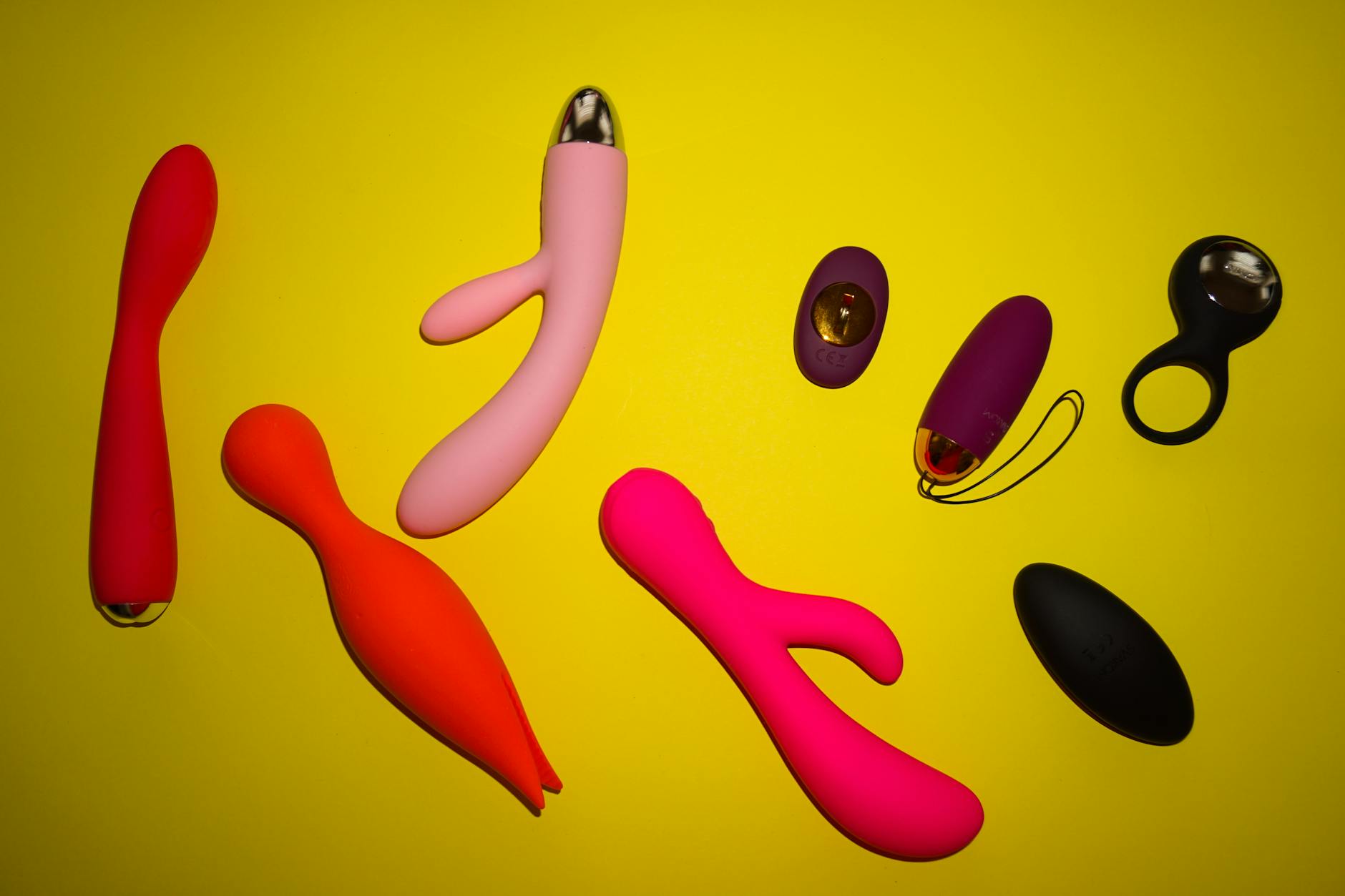
The good news: a lemon vibrator and the right approach can actually help you downshift out of anxiety and back into pleasure. Not by ignoring the anxiety, but by creating a pathway through it.
Most vibrators demand focus. You need to position them perfectly, find your angle, maintain rhythm. When you're already cognitively overloaded, that's exhausting.
Lemon clitoral vibrators work with suction instead of pure vibration, which means the sensation is more passive and less precision-dependent. You're not hunting for the right spot. The suction does the grounding work for you. Your brain can rest while the sensation does the thinking.
Here's the part nobody tells you: the specific pattern of suction also acts as a direct parasympathetic trigger. It's similar to how a weighted blanket or deep pressure works for anxiety. The consistent, pulsing sensation actually signals safety to your nervous system, pulling you out of threat mode.
Additionally, because lemon vibrators like the Lemon Clitoral Vibrator are shaped ergonomically and don't require constant repositioning, they reduce the cognitive load of performance. You can focus on sensation instead of mechanics.
Don't jump straight to the toy. Your brain is already maxed out. Give yourself 10 to 15 minutes to land in your body first.
Start with your breath. Not meditation breathing or box breathing, which feels like another task when you're already wired. Just notice your breath for two minutes. In through your nose, out through your mouth. That's it.
Then move. Not yoga or structured exercise. Shake your hands, roll your shoulders, tense and release your legs. This signals to your nervous system that the threat is not active right now. Movement literally discharges the activation that anxiety builds up.
Once you feel even slightly calmer (not fully calm, just slightly), apply a water-based lubricant to your vulva and let it sit. This is literally a transition moment. You're moving from activation to preparation. Don't rush it.
This is key. If you use the Lemon Clitoral Vibrator, start at setting 1 or 2, not 3 or 5. When you're anxious, high intensity is overstimulation. You want the minimum amount of sensation that still registers as pleasurable.
Why does this matter? Because sensitivity actually gets worse when you're in fight-or-flight mode. The same pattern that feels amazing when you're calm can feel overwhelming or even annoying when you're activated. Starting low respects your nervous system's current capacity, not your baseline.
Spend 3 to 5 minutes at the lowest setting. No goal. No pressure to orgasm. Your only job is to notice the sensation. Where does it feel good? Is there a rhythm that settles your breathing more? Does your jaw relax a little?
You'll think about your to-do list. Your work email. That awkward conversation from three days ago. That's not failure. That's anxiety doing its job.
When you notice the mind wander, don't fight it. Fighting it uses more of your already-depleted cognitive resources. Instead, gently redirect. Say internally: "That's my worry. I'm feeling the suction now." Then describe the sensation in concrete terms. Not "this feels good" but "cool pressure on my left side, warmth on my right, a pulse every three seconds."
You're anchoring yourself in immediate physical sensation, which literally cannot coexist with future worry. This works because it's not about suppressing anxiety. It's about competing for your attention.
Anxious people tend to rush arousal because they're afraid it will disappear. This makes it disappear faster. The paradox is that slowing down actually sustains it.
After 5 minutes at the lowest setting, spend another 5 to 10 minutes at that same level, or move to setting 2 if it feels right. No timeline. No target. If orgasm happens, great. If it doesn't, that's also fine.
Many anxious people find that when they remove the pressure to come, the orgasm actually arrives more easily. This sounds counterintuitive, but it's because you've finally stopped fighting against your nervous system.
For partners wanting to help: your job is to create space and absence of pressure. Ask if touch helps or makes things worse. Offer to leave the room entirely. Sometimes anxious people need complete solitude. Sometimes having a grounded partner nearby helps. You won't know unless you ask.
It might. That's not a sign to stop. That's a sign to pause.
Put the lemon vibrator down. Go back to the breathing and movement reset. Three or four minutes. Then re-engage with the toy at a lower setting than you were using before. You're not failing. You're literally training your nervous system that it's safe to relax. That takes repetition.
If this keeps happening, some anxious people find that scheduling pleasure helps. Not making it rigid, but saying "Tuesday and Friday, 8 p.m., I'm going to spend 20 minutes with myself and my toy." The predictability itself is settling for an anxious nervous system.
If you share pleasure with someone, tell them what you learned. "I need 10 minutes alone first." "I need you sitting next to me but not touching." "I need conversation, not performance." Different days might need different things.
The partner's role is to hold the container, not to fix your anxiety. They're there. They're calm. They're not pushing. That's what helps.
You can also use a lemon vibrator together very differently when you're anxious. Instead of intercourse or partnered penetration, you might use the clitoral vibrator on yourself while they hold you, or vice versa. The suction sensation is calming, but the presence is grounding. Both matter.
If you're dealing with chronic anxiety, this tool works best alongside the other things your nervous system needs: sleep, movement, maybe therapy, maybe medication. A lemon vibrator is a sensate focus practice, not a replacement for care.
But it's also not a luxury. Pleasure is one of the body's most direct ways of knowing it's safe. When anxiety is telling you that you're not safe, reclaiming pleasure is a form of resistance. It's proof that your nervous system still has the capacity to feel good.
Start small. Start with suction, not velocity. Start with 10 to 15 minutes instead of 30. Let the toy do the work. Your job is just to breathe and stay present.
The anxiety doesn't have to disappear completely for pleasure to return. It just has to share the stage with sensation, breath, and the particular kind of peace that comes from your body feeling held.
Not on its own, but as part of a broader nervous system practice. The suction sensation itself is parasympathetic, which means regular use can help retrain your nervous system over time to access rest states more easily. But if anxiety is severe, you'll also need sleep, therapy, or medication. The vibrator is a tool for recalibration, not a cure. Think of it like a weighted blanket for your clitoris. Helpful, grounding, but not a treatment.
Remove the goal entirely. Orgasm isn't the point when anxiety is high. The point is simply to experience sensation and practice staying present in your body. When you release the pressure to come, the nervous system actually relaxes faster, and orgasm often follows naturally. Some anxious people find that spending weeks or months just practicing sensation without any expectation of climax actually strengthens their overall capacity for pleasure.
Completely normal. Anxiety increases physical sensitivity and makes touch feel overwhelming. Start at the absolute lowest setting, or take a break and try again the next day. Your nervous system is telling you it's not ready. That's valuable information. Pushing through actually reinforces the idea that your body isn't a safe place, which makes anxiety worse. Respect what your body is saying.
At least 20 to 30 minutes, ideally longer. Your nervous system needs time to physically downregulate after panic. Blood is still redirected to your limbs, stress hormones are still circulating, and your body's sensory threshold is heightened. Give yourself the breathing and movement reset we discussed, then wait a bit longer. When you're ready, start at the lowest setting. There's no rush.
It can if you're using it to bypass or avoid anxiety instead of moving through it. If you're vibrating yourself to orgasm while your mind is full of panic, you're not actually downregulating your nervous system. You're numbing it, which feels similar but isn't. The tool works when you slow down, breathe, and let sensation be the primary focus. If you find yourself reaching for the vibrator to avoid difficult feelings, that's worth exploring with a therapist.
Tell them: "When I'm anxious, my nervous system is already overwhelmed. I need to regulate alone first. Then we can connect." Partners often feel rejected when you need solitude, but it's actually the opposite. You're protecting your capacity to be present with them later. If a partner pushes back on this boundary, that's a conversation worth having with a couples therapist. Your nervous system's needs come first.
Here's what I know from decades of working with couples and individuals: anxiety disconnects you from pleasure, which disconnects you from yourself, which disconnects you from your partner. A lemon vibrator and a nervous system reset routine won't fix the root causes of anxiety, but they will create moments where you prove to yourself that you're still capable of feeling good.
That matters more than it sounds. When anxiety runs your life, reclaiming even 20 minutes of your own pleasure is an act of self-preservation. It's you telling your nervous system: "I know you think things are dangerous, but right now, we're safe. Right now, we can feel good." Repeat that enough times, and your nervous system starts to believe it.
Ready to reconnect with pleasure during anxious times? Start with the lowest setting, the longest timeline, and the gentlest rhythm. Your nervous system knows what it needs. The vibrator is just the vehicle.