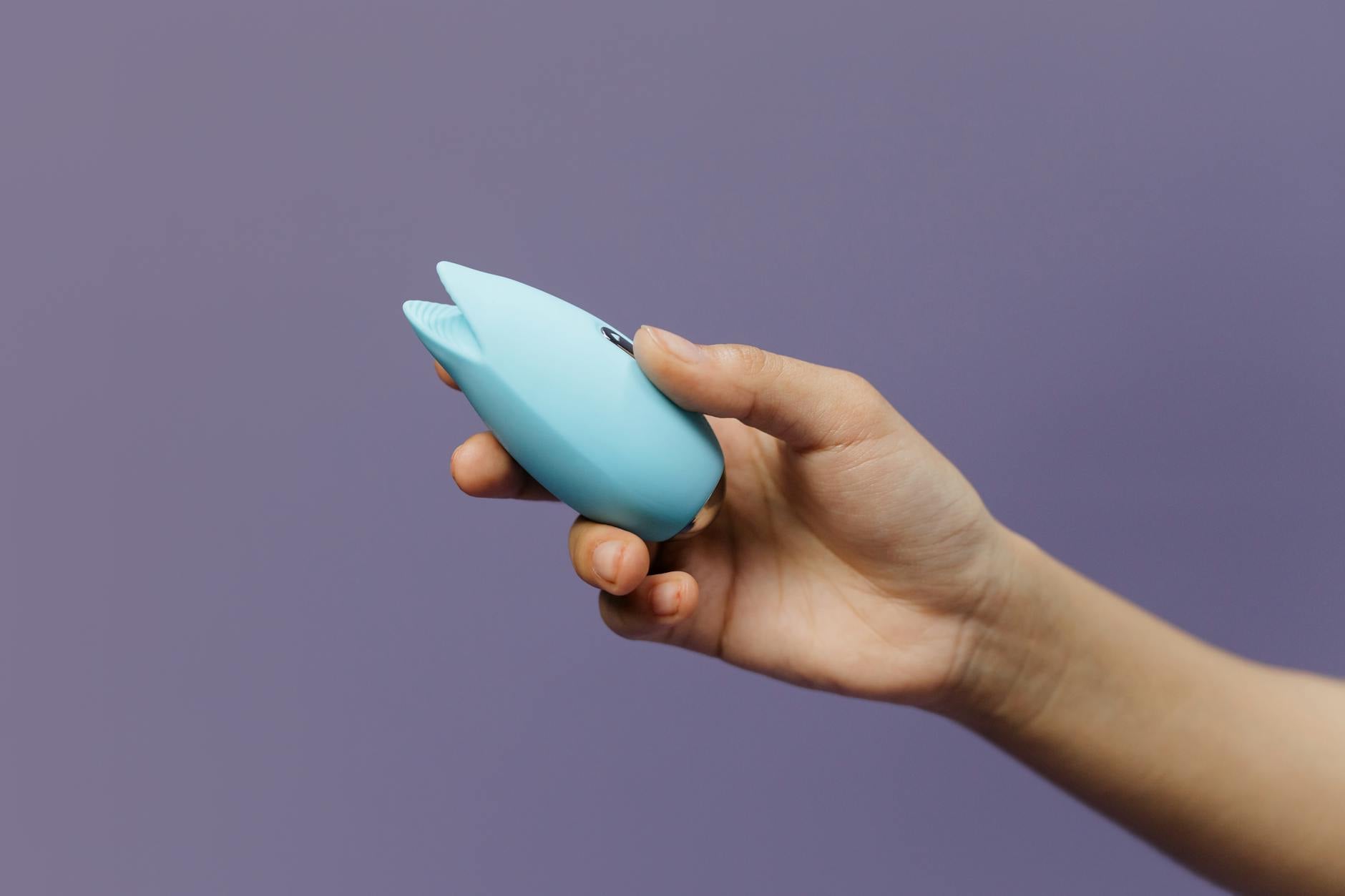
How to Use a Lemon Vibrator When You Have Low Libido or Desire Loss
Low desire isn't a character flaw. It's a signal. Here's what it usually means, why a lemon clitoral vibrator might help, and how to actually rebuild arousal without forcing it.
Low libido isn't laziness. It's not a personal failing. It's almost always your body or mind telling you something is wrong. The trick is learning to listen instead of pushing through.
Maybe stress has flatlined your desire. Maybe resentment is sitting between you and your partner. Maybe depression has muted everything. Maybe you're just tired, or your medication changed, or you're grieving something nobody talks about. The reason matters because the fix changes depending on what's actually happening.
Here's what I've learned from twenty years of working with couples: desire doesn't come back because you force yourself to want sex. It comes back when you find out why it left, and then you address that thing directly.
Desire dies quietly. You don't wake up one day thinking "I've lost my libido." Instead, you notice you're not initiating. You're scrolling instead of touching. You're making excuses. By the time you're aware of it, it's been building for months.
Here are the big ones I see over and over.
Unresolved conflict. If you're angry at your partner and haven't said it out loud, your body knows. Desire requires safety and trust. Resentment is the opposite. You can't turn yourself on when part of you is still furious about something from three weeks ago.
Exhaustion. Not just tired. Bone-deep, chronic, mental-health-tier exhaustion. If you're managing a household, kids, a job, aging parents, and internal chaos all at once, your nervous system has nothing left to give to arousal. Your body is in survival mode.
Medication and hormones. Antidepressants, birth control, blood pressure meds, thyroid medication. They all change desire in different ways. Some numb it. Some make orgasm harder. Some make arousal take forever. If you started something new and your desire tanked, that's not a coincidence.
Depression and anxiety. They're not just mood problems. They're desire killers. Depression makes everything feel pointless, including sex. Anxiety keeps your nervous system jammed into fight-or-flight, which is literally the opposite of the relaxation arousal needs.
Relationship rupture. If you've had a big fight, betrayal, or even just long periods of disconnection, desire gets harder. Sex requires emotional intimacy first for most people. If you feel like roommates, your body won't suddenly want sex.
Listen. A vibrator isn't going to fix your relationship or cure your depression. But it can do something valuable: it can prove to you that arousal is still possible. It can remind your body what pleasure feels like. And sometimes that matters more than you'd expect.
Here's why lemon clitoral vibrators specifically help people rebuilding desire. They work quickly and reliably. If you've been disconnected from pleasure for months, you don't need a toy that requires you to already be aroused. You need something that wakes up sensation so you can feel something. The Lemon's suction technology does that without requiring the self-soothing or emotional work that other forms of stimulation might.
It's not about replacing desire. It's about creating a small, safe space where arousal can happen without pressure.
Don't just pull out a vibrator and expect magic. That pressure is exactly what kills desire further.
First, create actual privacy. Not the kind where you tell yourself nobody will disturb you. The kind where you lock doors, silence your phone, and tell yourself you have thirty minutes that are completely yours. Desire can't happen if your nervous system is halfway listening for someone to need you.
Second, don't set an arousal goal. This is crucial. You're not trying to have an orgasm. You're not trying to get turned on. You're just exploring what sensation feels like. That removes the pressure that kills desire in the first place.
Third, start with a shower or bath. Get clean, warm, and in your body. This sounds simple but it shifts you from the doing-everything-for-everyone mindset into your own experience.
Start at the lowest setting. Lemon vibrators have multiple patterns and intensities. When desire is low, intensity can feel overwhelming instead of good. Low and slow gives your nervous system room to say yes without shocking your system.
Spend time just feeling. No agenda. Maybe focus on breathing. Maybe touch other parts of your body while using the vibrator on your clitoris. Maybe think about nothing. The goal is to let your body remember what pleasure feels like, not to achieve specific outcomes.
If nothing happens for fifteen minutes, that's fine. Arousal rebuilds slowly sometimes. You're not failing. You're just relearning.
If sensation starts coming back, follow it. Shift intensity, change angles, experiment with patterns. This is information gathering. You're figuring out what your body wants right now.
Desire doesn't come back because you force it. It comes back when you stop demanding it from yourself.
If you're in a relationship, your partner needs to know what's happening. Not as an apology. As information.
"I've realized I'm disconnected from sex right now. I'm working on figuring out why. Here's what I need from you: patience, and no pressure." That's it. You don't owe a timeline. You don't owe an explanation of every feeling. You owe clarity about what you're experiencing and what you're not asking from them.
If your partner pushes back or makes it about them, that's a separate problem worth addressing with a therapist. Good partners can tolerate their own disappointment while you're rebuilding.
If you're single and using a lemon vibrator to rebuild desire, this conversation is with yourself. "I'm reconnecting with my body. I'm giving myself permission to explore pleasure without pressure." That's the whole thing.
Sometimes low libido is your body's way of saying something serious needs attention.
If your desire disappeared suddenly and nothing has changed, get your thyroid, hormones, and blood work checked. Hypothyroidism, low iron, vitamin D deficiency, and hormonal imbalances all kill libido.
If you're on a medication and your desire tanked, talk to your doctor. Sometimes a different dose or a different med works better. Don't just suffer through it.
If you're depressed or anxious, therapy and possibly medication will help more than any vibrator. A lemon clitoral vibrator is a tool for rebuilding pleasure once you're addressing the actual problem.
If your relationship is fundamentally broken, no amount of solo exploration with a vibrator will fix it. You might need couples counseling. Or you might need to accept that this relationship isn't what you want anymore.
Desire doesn't come roaring back overnight. It rebuilds in small moments. A moment of physical sensation. A moment of feeling safe with your partner. A moment of remembering what pleasure felt like. These moments string together into something bigger.
A lemon vibrator can be part of that stringing together. It's not the whole answer. But it can be the thing that reminds you that pleasure is still possible for you, even when you've forgotten.
Desire rebuilds on its own timeline. Some people feel a shift in a few weeks. Others take months. What matters is consistency and gentleness with yourself. Using a lemon vibrator once and expecting transformation isn't realistic. Building a regular practice of reconnecting with pleasure helps your nervous system remember that arousal is safe and possible. Most people notice a shift within four to six weeks if they're also addressing the root cause of desire loss (whether that's stress, medication, relationship issues, or mental health).
Antidepressants are often the right choice for your mental health, even if they affect desire. A vibrator alone won't fix medication-related desire loss. Talk to your doctor about dose adjustments, timing (taking it after sex instead of before), or switching meds. While you're working with your doctor, a lemon clitoral vibrator can help you maintain some connection to pleasure and prove to yourself that arousal is still possible. It's one piece of a bigger solution.
Completely normal. If desire is low, arousal takes longer to build. Your body might need several sessions to remember what sensation feels like. Lower expectations and higher patience help. Try different settings, different times of day, different positions. Maybe you'll need longer warm-up time. Maybe you need to address stress first. Numbness to sensation often reflects what's happening in the rest of your life. If nothing changes after a month of consistent use, talk to a doctor or therapist about what might be blocking arousal.
That depends on your relationship and comfort level. If you're in a partnership built on openness, honesty usually helps. You might say something like, "I'm working on reconnecting with my body because I know our intimacy matters." If you're private about solo exploration, you don't owe your partner a play-by-play. What matters is that your partner knows you're actively trying to rebuild desire instead of passively accepting it's gone. That knowledge usually helps partners feel less rejected.
Sometimes desire shifts permanently. Maybe you're asexual or demisexual and nobody ever told you that was an option. Maybe a medical condition genuinely affects your ability to feel arousal. Maybe you realize you're not actually interested in sex with your current partner. Those are real possibilities worth exploring honestly. But most of the time, when desire vanishes suddenly, something changed and can change back. The work is figuring out what that something is and whether you want to address it.
That's worth stopping and reflecting on. Sometimes shame around pleasure lives deeper than we think. Sometimes you're not ready. Sometimes you need to address the bigger emotional issues first. A lemon vibrator is meant to help you feel more connected, not less. If it's doing the opposite, back off and consider working with a therapist who specializes in sexual health. There's no shame in needing more support to rebuild desire safely.
Low desire is a message, not a failure. A lemon vibrator can help you rebuild connection to your body and prove that pleasure is still possible. But the vibrator is a tool, not a cure. The cure is understanding what killed your desire in the first place and doing the actual work to address it. That might be therapy. It might be medication. It might be conversations with your partner. It might be leaving the relationship. It might be treating thyroid disease or adjusting antidepressants. A lemon clitoral vibrator is part of the conversation your body is trying to have with you. The rest is listening.