Healing
How to Use Lemon Clitoral Vibrators When Recovering From Sexual Trauma
Pleasure after trauma isn't frivolous. It's an act of reclamation. Here's how to rebuild sensation safely, at your own pace, with tools designed for control.
Healing
Pleasure after trauma isn't frivolous. It's an act of reclamation. Here's how to rebuild sensation safely, at your own pace, with tools designed for control.
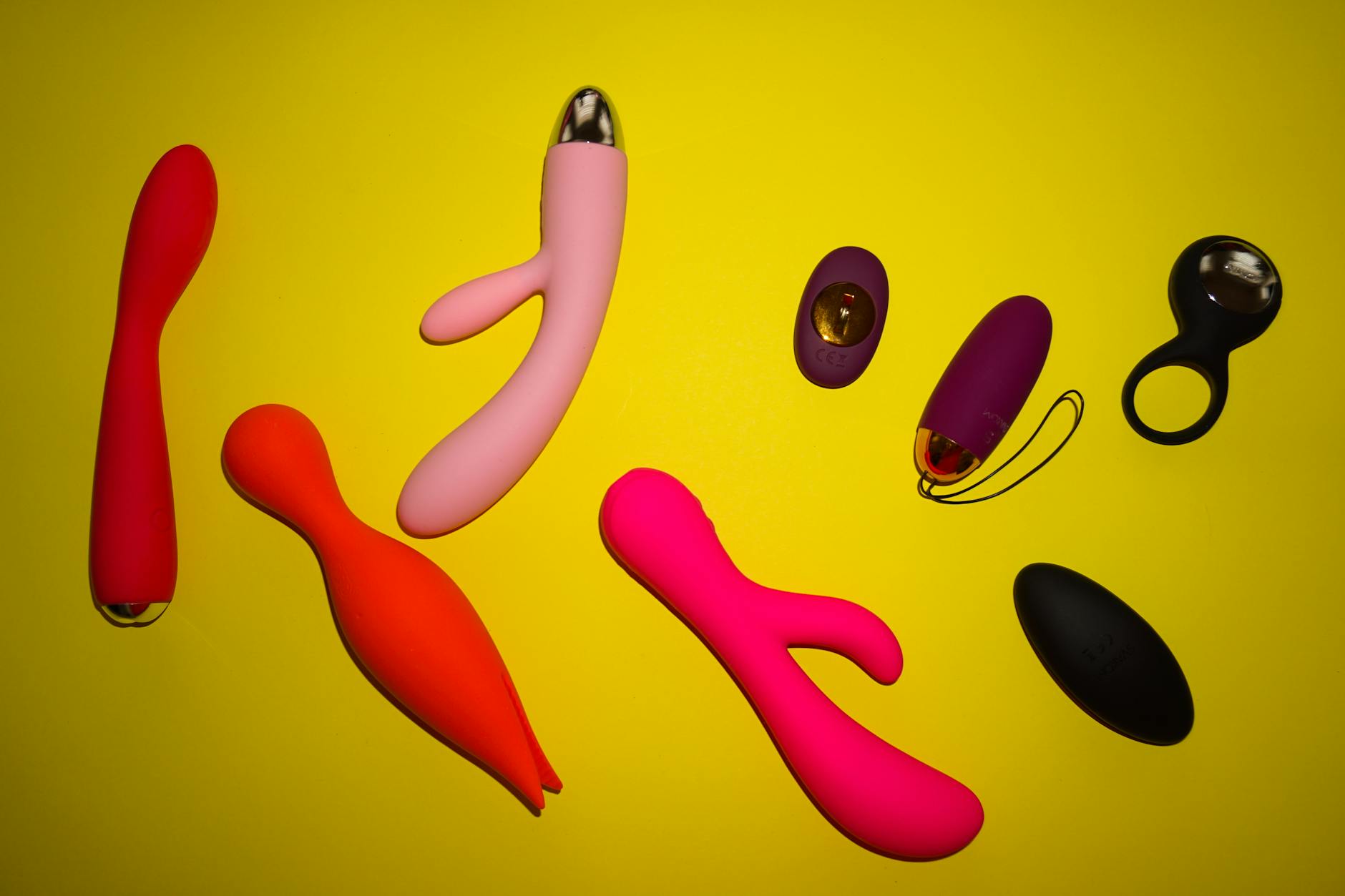
Sexual trauma rewires how your body responds to touch. Not permanently, but right now, in this moment, your nervous system may be hypervigilant. A sensation that feels safe to someone else might trigger a freeze response in you. That's not weakness. That's your body doing exactly what it learned to do to survive.
But here's what I know from working with survivors: pleasure is not something trauma gets to keep. Reclaiming it is possible. It looks different for everyone, and it takes time. Using a tool like a lemon clitoral vibrator during recovery isn't about forcing yourself to feel good. It's about building agency, predictability, and control back into your body.
Trauma survival often means losing autonomy over your body. Healing it back means rebuilding that autonomy deliberately. A lemon vibrator is perfect for this because you control everything: the speed, the pressure, the exact moment it starts and stops. You can turn it off instantly. You know exactly what's about to happen. That predictability is the whole point.
Most survivors I work with don't start with a vibrator because it feels good. They start because it feels safe. The sensation comes later, once your nervous system realizes nothing bad is going to happen. This might take weeks or months. That timeline is completely normal.
If you're beginning this process, the first step isn't pleasure. It's establishing what therapists call "window of tolerance" — the zone where you feel calm and present, not flooded and not numb. This is non-negotiable work.
Before you ever use a lemon vibrator, spend two weeks building this foundation:
Start with your five senses. When you're alone in a safe space, name five things you can see, four things you can touch, three things you can hear, two things you can smell, one thing you can taste. Do this daily. Your vagus nerve calms when your nervous system gets clear signals that you're actually safe right now.
Practice body scanning without touching. Lie down for five minutes. Notice what you feel in your feet, shins, thighs, without trying to change anything. Just notice. If a body part feels numb or triggering, skip it and move on. This is about reconnection, not forcing sensation.
Establish a physical safety signal. Pick an object you can touch that means "I am safe." A smooth stone, a blanket, a piece of ice. Hold it when you're grounded. Later, hold it when you start using your vibrator. Your nervous system will learn: this object means safety.
Don't jump straight to clitoral contact. That's how you retraumatize yourself.
Instead, spend a week getting curious about the vibrator in non-sexual ways. Hold it. Feel the weight and texture. Turn it on at the lowest setting while it's in your palm. Get used to the sound, the vibration, the fact that you control when it happens. Turn it off ten times. Turn it on ten times. Your nervous system needs repetition to believe it's safe.
Many survivors find it helpful to use the vibrator on other body parts first: your forearm, your shoulder, your inner arm. Anywhere that feels distant from trauma. This builds a felt sense of "vibrator equals something I control" without the vulnerability of genital touch.
The moment you bring the vibrator close to your genitals, everything changes neurologically. This is when dissociation or flashbacks most commonly show up. That's not failure. That's information.
Here's how to move forward safely:
Establish a yes/no/check-in signal with yourself first. Before you begin, decide: if something feels wrong, what's your exit plan? You might say "I'll turn it off and breathe for two minutes" or "I'll move the vibrator to my arm." Having a plan before you need it is how you stay in control.
Start with 30 seconds maximum. Not 30 minutes. Not 5 minutes. Thirty seconds of the lowest vibration setting on your outer labia, with your full attention on what's happening. Then stop.
Name what you notice out loud. "I feel vibration. I feel warmth. I'm breathing. My jaw is tense." This activates your prefrontal cortex (the thinking part of your brain) and interrupts the nervous system's automatic trauma response. You move from reacting to observing.
Increase time in millimeters, not leaps. After five sessions of 30 seconds, move to 45 seconds. Not because 45 seconds is magic, but because your nervous system is learning through tiny, repeated experiences that this is safe. That's how you rewire trauma responses.
Dissociation feels like floating outside your body, watching yourself from a distance, or suddenly finding 20 minutes have passed that you don't remember. It's a survival mechanism. Your nervous system is still protecting you.
When you feel it happening, stop immediately. This isn't failure. Do one of these:
These interrupt the dissociation circuit and bring you back into present-moment sensation. Then stop the session. You've got crucial information: your nervous system needed more time before you were ready for that level of stimulation.
This is the hardest distinction for survivors, and it matters everything.
Trauma survivors often can't tell the difference between "this is unfamiliar and my body is uncertain" and "this is actually harmful." Both create an alert signal in your nervous system.
Here's the difference: real danger creates sudden sharp pain, involuntary muscle tension you can't release, or a persistent feeling that something is wrong even after you've stopped. Discomfort is uncertainty. Discomfort is your nervous system saying "I'm not sure about this yet."
If it's discomfort, you can wait and try again. If it's danger, you stop and don't return to that stimulation pattern for weeks. Talk to a trauma-informed therapist before trying again.
Routine is safety for the nervous system. Pick one specific time each week (Saturday morning, Tuesday evening, whenever) and use your lemon vibrator then, same place, same ritual.
Maybe your ritual is: light a candle, put on music, do the five-senses exercise, then spend 90 seconds with the vibrator. The sameness is the healing part. Your nervous system gradually learns "Tuesday evening equals this specific safe thing," and the protective tension starts to soften.
After four weeks of routine, many survivors notice something shifts. Sensation feels less scary. Pleasure becomes possible. Not guaranteed, but possible. That's when you can start exploring faster speeds or direct clitoral contact if you want to.
If you're in a relationship, your partner doesn't need to be in the room. Many survivors prefer to build this agency alone first. But if you want their support, here's what helps:
Explain: "When I'm using my vibrator, I'm learning my body. I need you to not ask about it, not surprise me, and trust that I'm taking care of myself."
That's it. You don't owe detailed explanations. Your partner's job is to respect your privacy and not weaponize your vulnerability. If they can't, that's information about the relationship, not about your capacity for pleasure.
If your partner is also involved, they need to know: your orgasm is irrelevant right now. Control and safety are the goals. An orgasm might happen, or it might not. Both are fine. The goal is rebuilding your sense of ownership over your own body.
Some survivors never regain pleasure the way it felt before trauma. Some regain it differently. Some rebuild it slowly over years.
If you're six months in and still feeling numb, this doesn't mean the vibrator isn't working. It might mean your nervous system needs more foundational work before pleasure is accessible. Consider working with a trauma-specialized therapist who understands somatic (body-based) healing. They can help identify what's blocking sensation.
Possibilities include: you're not truly in your window of tolerance yet, you need more time on non-sexual grounding, you're pushing yourself past your actual readiness, or your specific trauma pattern requires a different approach. All of these are fixable. None of them mean you're broken.
Recovery from sexual trauma isn't linear. Some weeks, a lemon vibrator feels like an act of rebellion and reclamation. Some weeks, any genital touch feels like too much. That's not regression. That's the reality of healing. Your job is to stay curious, stay patient with yourself, and remember: pleasure after trauma isn't frivolous. It's evidence that you're reclaiming your body as yours.
Flashbacks mean your nervous system is in high alert. Right now, any genital stimulation is likely to intensify that response. Before you use the vibrator, work with your flashback frequency. Are they happening daily? Weekly? Once you they're stable and you can go several days without one, you're in a better window to start the grounding work. If flashbacks are active, focusing on trauma therapy and nervous system regulation comes first.
There's no "normal" timeline. I've worked with survivors who felt ready for pleasure within three months, and others who needed two years. Your timeline depends on trauma severity, your nervous system's baseline sensitivity, whether you're in therapy, and your support system. Trust your body's actual readiness, not a calendar date. Rushing it often backfires.
Your body, your timeline. Tell them: "I'm rebuilding my relationship with my own pleasure first. Once I feel solid with that, we can explore together if I want to." If they're pressuring you or not respecting your pace, that's worth naming with a therapist. Recovery requires people around you who can hold patience.
Completely normal. Trauma often teaches us that pleasure is dangerous or that our bodies shouldn't have desires. Using a vibrator can feel like defying that old message, and defying shame is hard. That shame is not truth. It's a learned response. Every time you use your vibrator anyway, you're slowly rewiring that neural pathway.
Yes, but differently. Vaginismus (involuntary pelvic floor tension) means penetration is painful. A clitoral vibrator like the Lemon focuses external sensation, which many survivors with vaginismus find safer because there's no penetration involved. Start with external pressure only. If you want to explore internal sensation later, work with a pelvic floor physical therapist alongside your vibrator practice. They can help your pelvic floor learn to relax.
Yes, especially if you're working with a trauma-informed therapist. They need the full picture of what you're doing to rebuild your relationship with your body. A good therapist will support this. If they shame you or discourage it, find a new therapist. Your healing depends on professional support that meets you where you actually are.
If you're reading this because you're trying to rebuild your capacity for pleasure after trauma, I want to say clearly: your body is not broken. It's defending itself. The fact that you're willing to show up for yourself, slowly and carefully, is remarkable. That's not just recovery. That's reclamation.
If you're unsure whether you're ready to start this work, or if you've tried and hit a wall, reach out. A trauma-informed therapist or counselor can help you build a plan that matches your actual nervous system, not someone else's timeline.
Your pleasure matters. Your safety matters more.