How to Use a Lemon Vibrator for Better Sensation When You Have Sensory Sensitivities
Here's what nobody tells you: sensory sensitivities don't mean your nervous system is broken. It means you need a different approach, not no approach.
Sensitivity
Sensory sensitivities don't disqualify you from pleasure. Here's how lemon clitoral vibrators actually work with your nervous system, not against it.
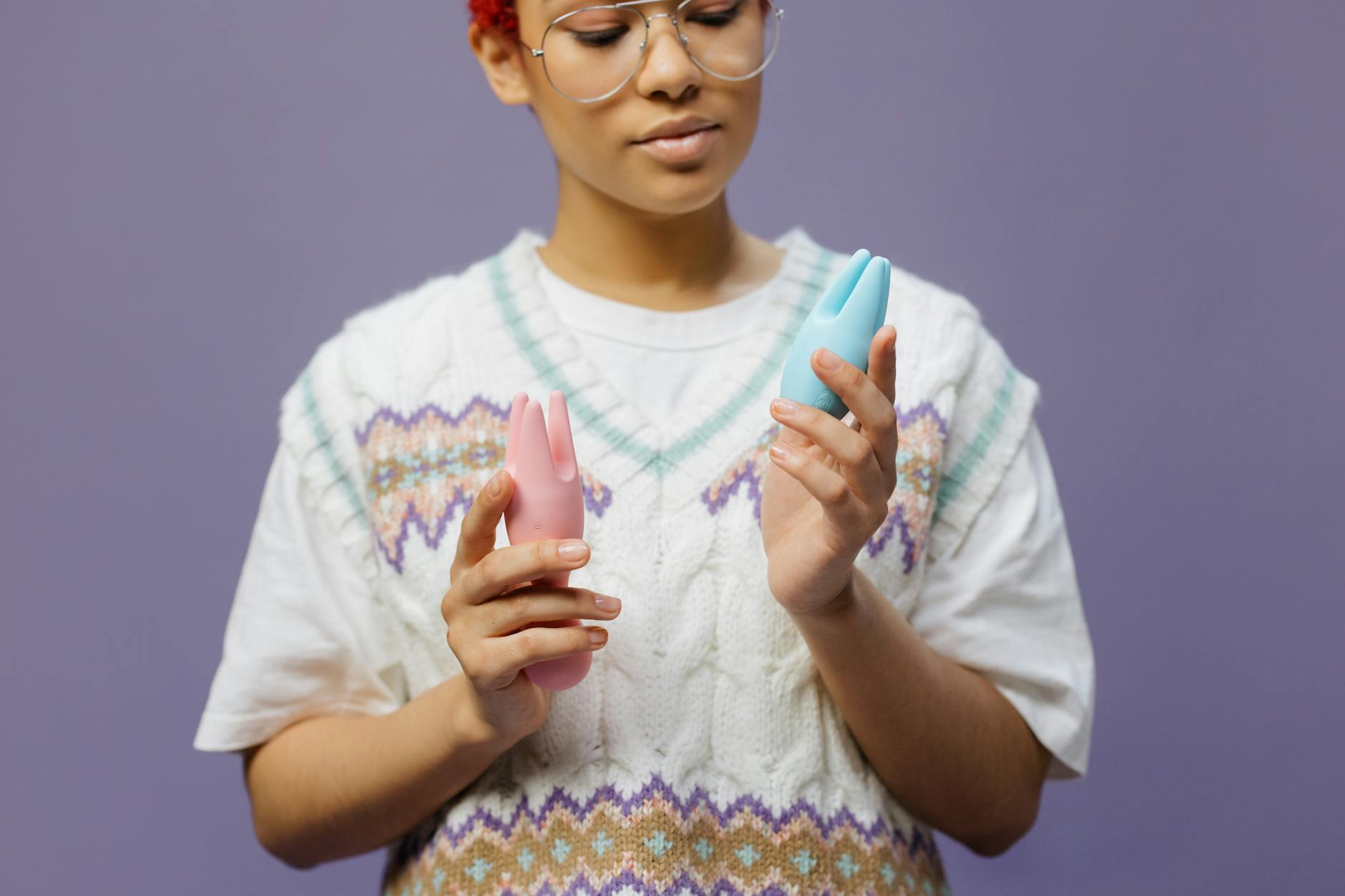
Here's what nobody tells you: sensory sensitivities don't mean your nervous system is broken. It means you need a different approach, not no approach.
If you've always thought vibrators were too much, too overwhelming, or just not designed for how your body works, that's not a personal failing. Most toys are built for a narrow range of sensory tolerance. Lemon vibrators, especially air-suction models like the Lem, are different because they work through pressure and pulse patterns rather than direct vibration, which can feel gentler and more controllable for people with sensory processing differences.
I work with a lot of clients who have sensory sensitivities—whether from autism, ADHD, anxiety, or just a naturally reactive nervous system—and they almost always assume pleasure is off the table. It's not. It just requires intentional setup.
Sensory sensitivities aren't all the same. For some people, it's texture: certain fabrics, materials, or surface textures feel intolerable. For others, it's intensity: even gentle touch can feel overwhelming. Some people struggle with mixed sensations (texture plus temperature plus pressure all at once). Others have sound sensitivities that rule out buzzing or vibration frequencies.
The common thread is this: your nervous system processes stimulation more intensely than average, and your brain flags it as "too much" faster. This isn't weakness. It's how your system is wired.
Where it gets confusing is that sensory sensitivity doesn't always show up the same way twice. You might be fine with vibration one day and overwhelmed by it the next, depending on stress levels, what you've eaten, how much sleep you've had, or where you are in your cycle. The sensory load is cumulative, and most people with sensitivities are managing multiple inputs at once (background noise, clothing tags, the feel of being watched) before pleasure even enters the room.
Most clitoral vibrators work one way: direct vibration against the skin. The sensation is constant, and even on the lowest setting, it's already a lot. If your nervous system is sensitive to vibration frequency, that buzzing can feel intrusive or irritating within seconds.
Air-suction vibrators like those from The Lemon Clit Sucker work differently. Instead of vibration, they use rhythmic suction and release—a pulsing pattern that stimulates through pressure rather than buzzing. The sensation is gentler on the peripheral nerves and feels less invasive. It's also easier to control and to step away from if it becomes too much.
That control matters. A lot of people with sensory sensitivities have trauma around not being able to escape overwhelming input. Having a toy you can immediately pause, lower, or stop without complicated buttons or reaching for your phone makes a massive difference in whether pleasure is actually possible.
This is the step most people skip, and it's the whole game. If you're going in already activated—stressed, anxious, overstimulated from the day—your sensory threshold is already lower. Your nervous system is primed to say "too much" to everything.
Give yourself 15-20 minutes of downtime before you even think about pleasure. This doesn't have to be meditation (I know that word makes a lot of people twitch). It can be sitting in a quiet room, taking a shower, going for a walk, or just being by yourself without input. The goal is to bring your baseline sensory load down so you have bandwidth for this.
If you're in a relationship or live with other people, you might need to actually protect this time. A locked door. Earpluds. A clear signal that you're not available for 30 minutes. This isn't selfish. It's the precondition for pleasure to be possible.
Also: what's touching your skin matters. Loose clothing, soft fabrics, nothing itchy. Temperature also counts—some people feel more grounded when they're slightly cool, others when they're warm. Notice what helps your nervous system feel settled.
When you're ready, start with the lem vibrator at pattern one or two—the gentlest settings. This is not a warm-up to "real" pleasure. This IS the pleasure. The point is to notice sensation without being overwhelmed by it.
Take 5-10 minutes here, even if nothing dramatic happens. You're teaching your nervous system that this input is safe, manageable, and not going to escalate without your consent. That matters more than orgasm.
Many people with sensory sensitivities report that when they finally try a lemon clitoral vibrator at low intensity, they're struck by how long they can stay with it. Not because the sensation is boring, but because it doesn't feel like invasion. It feels like choice.
If at any point it feels like too much, stop. No shame. Your nervous system just told you something true. Honor it.
Okay so this sounds obvious but almost nobody does it. Before you start, decide what sensory inputs are off the table.
For example: "I'm not going to have the TV on." "I'm going to turn off push notifications on my phone so I'm not startled." "I'm going to close the curtains so I don't have to think about who might see me." "I'm going to make sure my hair is tied back so it's not touching my neck."
These are not neurotic. They're smart. They're the difference between your nervous system being able to focus on pleasure versus being split between pleasure and managing background threat.
If you have a partner, be explicit about this too. "I need you to not talk to me for the first ten minutes," or "I need you to sit quietly over there, not watching closely." Some people with sensory sensitivities need complete solitude. Some can have a partner present but passive. Most people know which one works for them; they just feel weird saying it.
Material sensitivity is real. Silicone is hypoallergenic for most people, but not all. If you've had reactions to silicone toys before, that's worth paying attention to. The Lem is body-safe silicone, but your personal sensory or allergic profile might be different.
Lubrication also factors in here. Some people find that water-based lubricant makes the sensation feel more manageable—it's smoother, less grabby against the skin. Others prefer going without. There's no rule. What matters is that you get to decide based on what actually feels right to your nervous system, not based on generic advice.
Sensory sensitivity isn't something you "push through." But for some people, repeated gentle exposure in a safe context can gradually expand the window of what feels tolerable. That's different from forcing yourself.
If you find that you're staying with low-intensity lemon vibrator use and enjoying it, you might notice over weeks that you can stay present for longer, or that you're less activated by similar sensations in other contexts. That's your nervous system recalibrating, not you becoming "normal." Recalibration takes time and happens only when you feel genuinely safe.
If your tolerance doesn't expand, that's also fine. Lots of people find their sweet spot at lower intensity and stay there. Pleasure isn't a hierarchy.
If sensory sensitivities are wrapped up in trauma—touch feels dangerous, or you freeze during intimacy—that's worth discussing with a therapist, ideally one familiar with trauma or sensory processing. Sex toys can be part of healing, but they're not a substitute for trauma work.
Similarly, if your sensory sensitivities recently intensified or feel new, that's sometimes a sign of underlying stress, hormonal shifts, or a health change worth exploring with a doctor. Sudden sensory overwhelm isn't always just "you being you."
Let me be direct: your sensory sensitivities are not a bug in the pleasure software. They're just the operating system you're running on. A lemon clitoral vibrator—especially one that offers gentle, pulse-based stimulation—is one tool designed to work within that system rather than against it.
Your pleasure is worth taking seriously. That means taking your sensory needs seriously too.
Misophonia is sensitivity to specific sounds. Most lemon vibrators, especially air-suction models, are quieter than traditional vibrators. The Lem makes a soft suction sound rather than a loud buzz. If sound is your trigger, quieter is better. You might also consider using white noise, a fan, or ambient music in the background to mask any sound. Test it out at a very low volume first and see how your nervous system responds.
Tactile defensiveness is when even light touch feels uncomfortable or threatening. Start by exploring the lemon vibrator with your clothes on. Let your body get used to the pressure and pattern without direct skin contact. Then gradually move to skin contact if and when that feels safe. Some people with tactile defensiveness find that they can tolerate suction patterns better than direct vibration because the sensation feels more defined and predictable.
Not at all. It just means communication matters more. Let your partner know exactly what sensations feel manageable and which ones don't. A lemon vibrator can be a great tool for partnered play because you can hand it to your partner or use it yourself while they're present, giving you control over intensity and timing. Read more about this in our guide on how to use lemon clitoral vibrators to explore partnered pleasure.
Sometimes, yes. Regular gentle exposure to a stimulus in a safe, grounded state can help your nervous system recalibrate. But this is slow work, and it only works if you're not forcing it. If you genuinely enjoy low-intensity lemon vibrator use and keep showing up for it, you might notice your window of tolerance gradually widens. That said, if your baseline doesn't shift, that's completely normal too.
That's extremely common. Sensory sensitivity is state-dependent—it fluctuates with sleep, stress, hormones, and overall nervous system load. On a high-stress day, you might need to go lower than usual. On a grounded day, you might have more bandwidth. This isn't failure; it's you paying attention to what your body actually needs today. Honor it.
Yes, but only if and when it feels right to you. You don't have to disclose everything upfront. But if you're moving into sexual intimacy, "I have sensory sensitivities and I need us to go slow and check in" is useful information. A good partner will want to know. If someone responds with frustration or dismissal, that tells you something important about them.